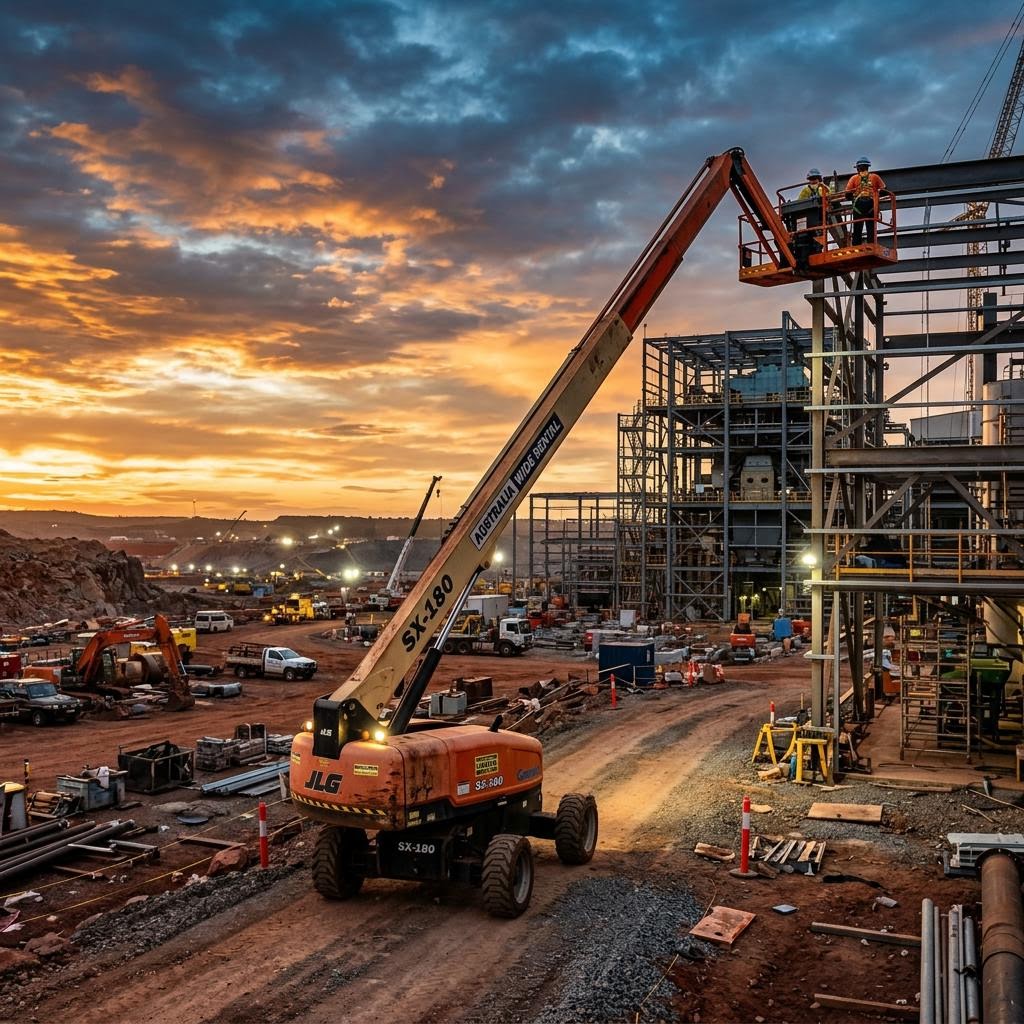
End-to-End Fleet Management
We offer complete lifecycle management for elevated work platforms, from initial procurement and pre-purchase inspections to 10-year major certifications and preventative maintenance.
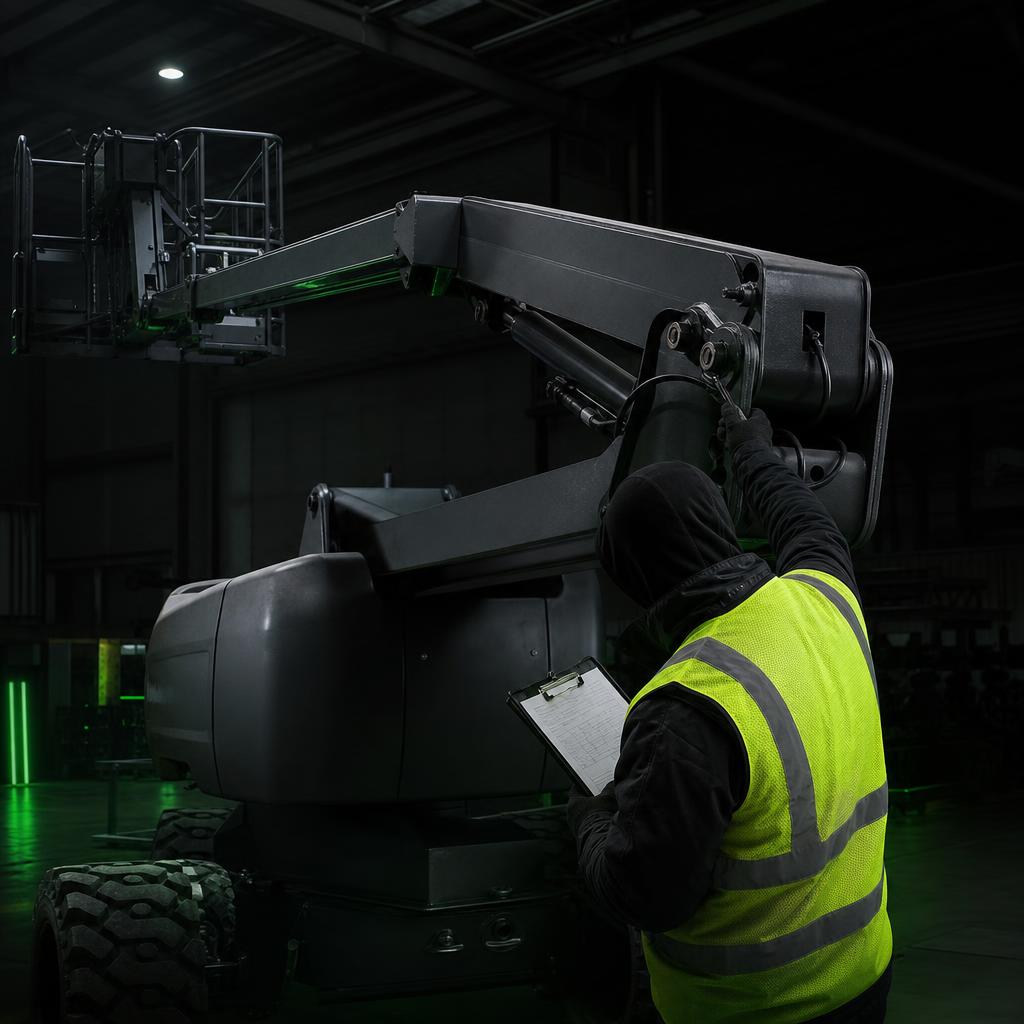
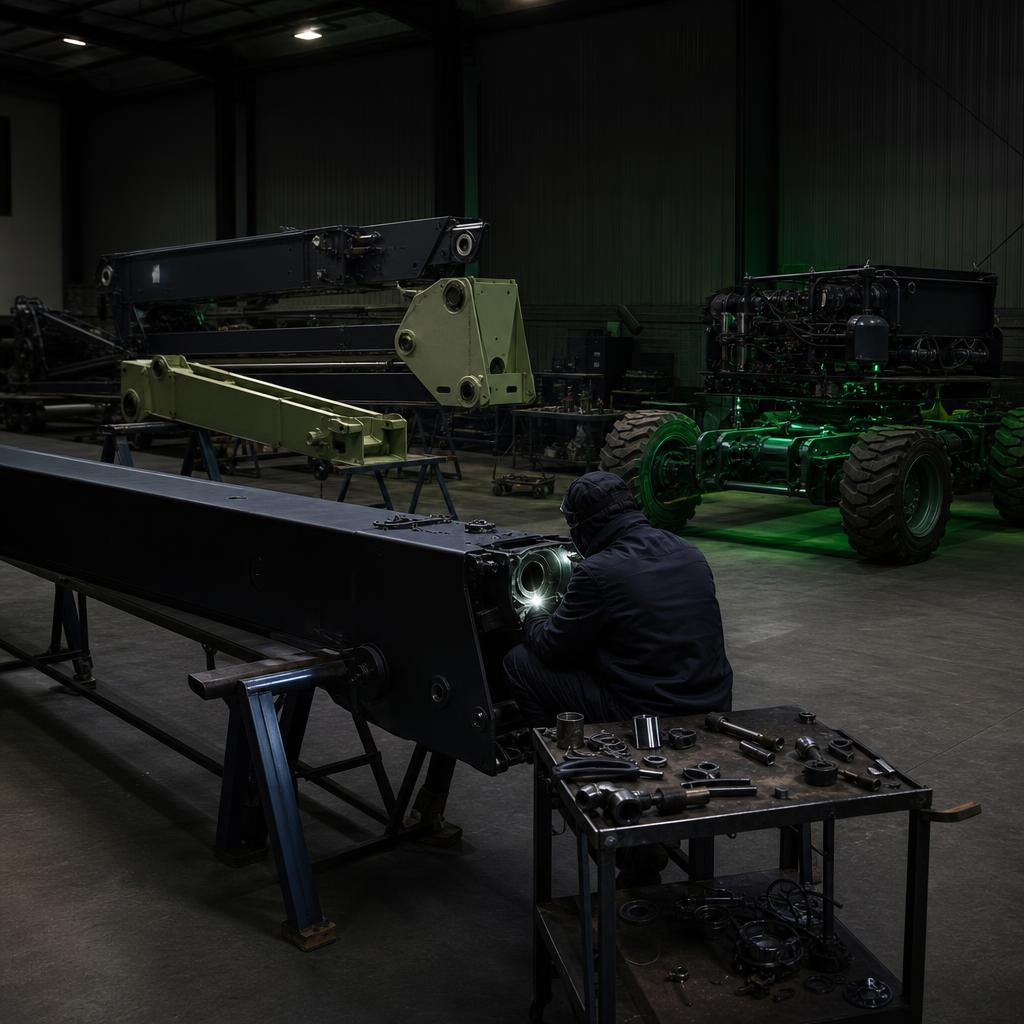
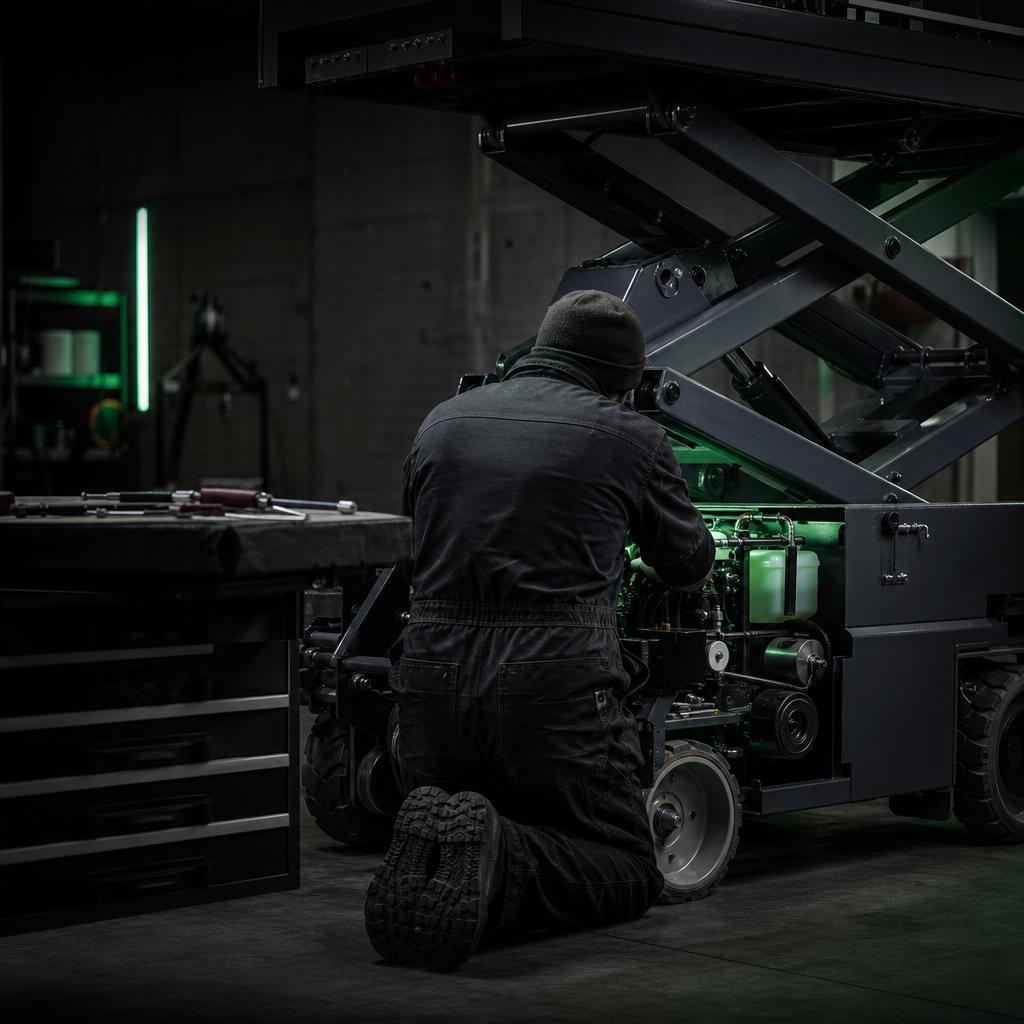
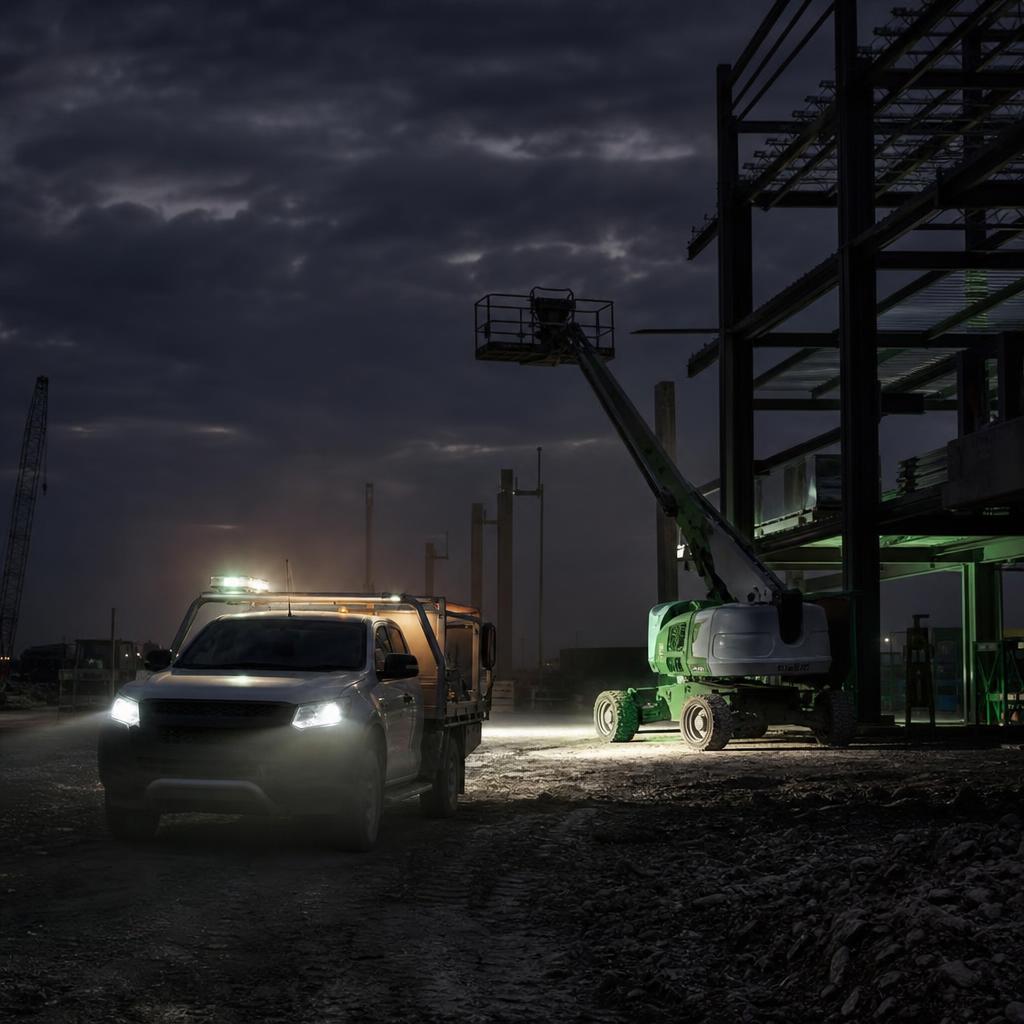
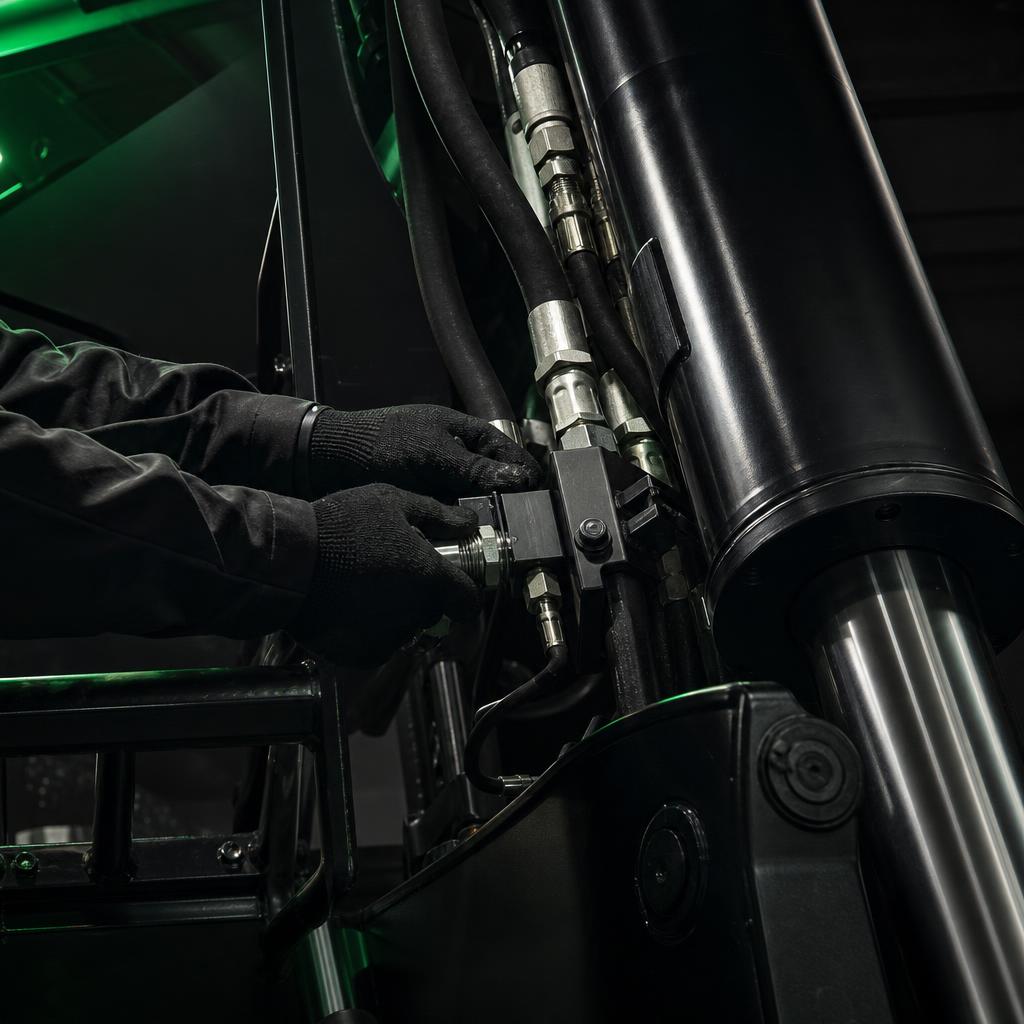
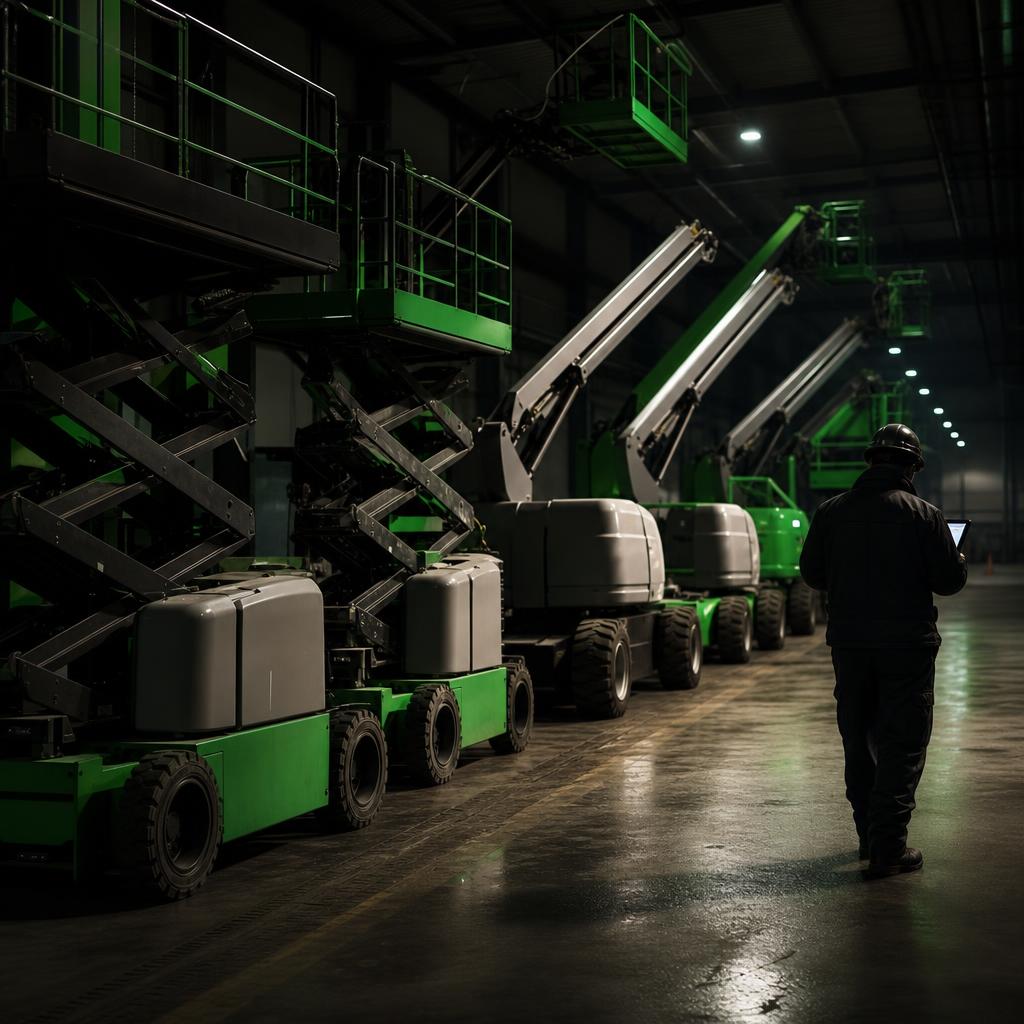
Engineered for Reliability
Strict Compliance
Rigorous adherence to AS 2550.10 and all state-based OHS regulations.
Technical Expertise
Our mechanical fitters and engineers specialise exclusively in access equipment.
Transparent Reporting
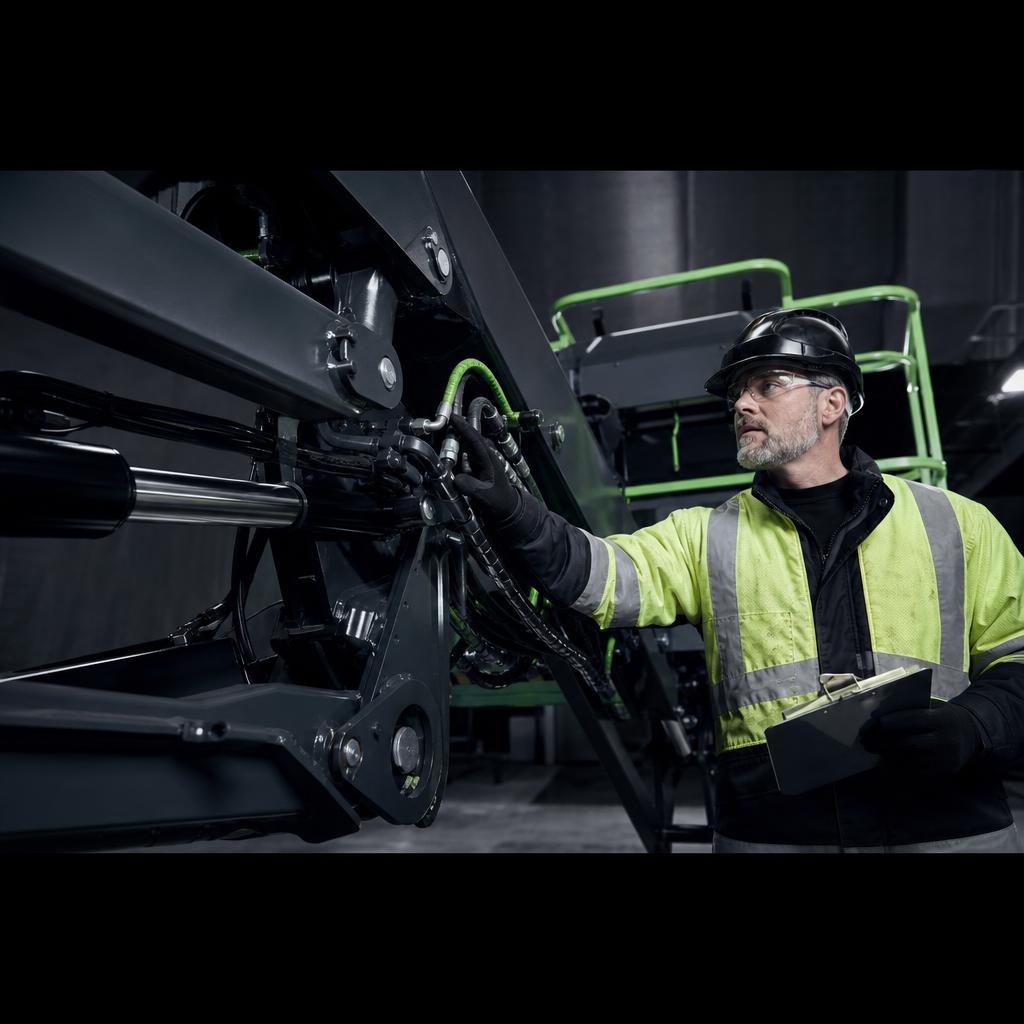
Comprehensive defect reporting, structural analysis, and engineering sign-offs.
Built for Total Trust
Procurement teams across government, defence, councils and major contractors rely on our documented, standards-first approach to elevated work platforms.
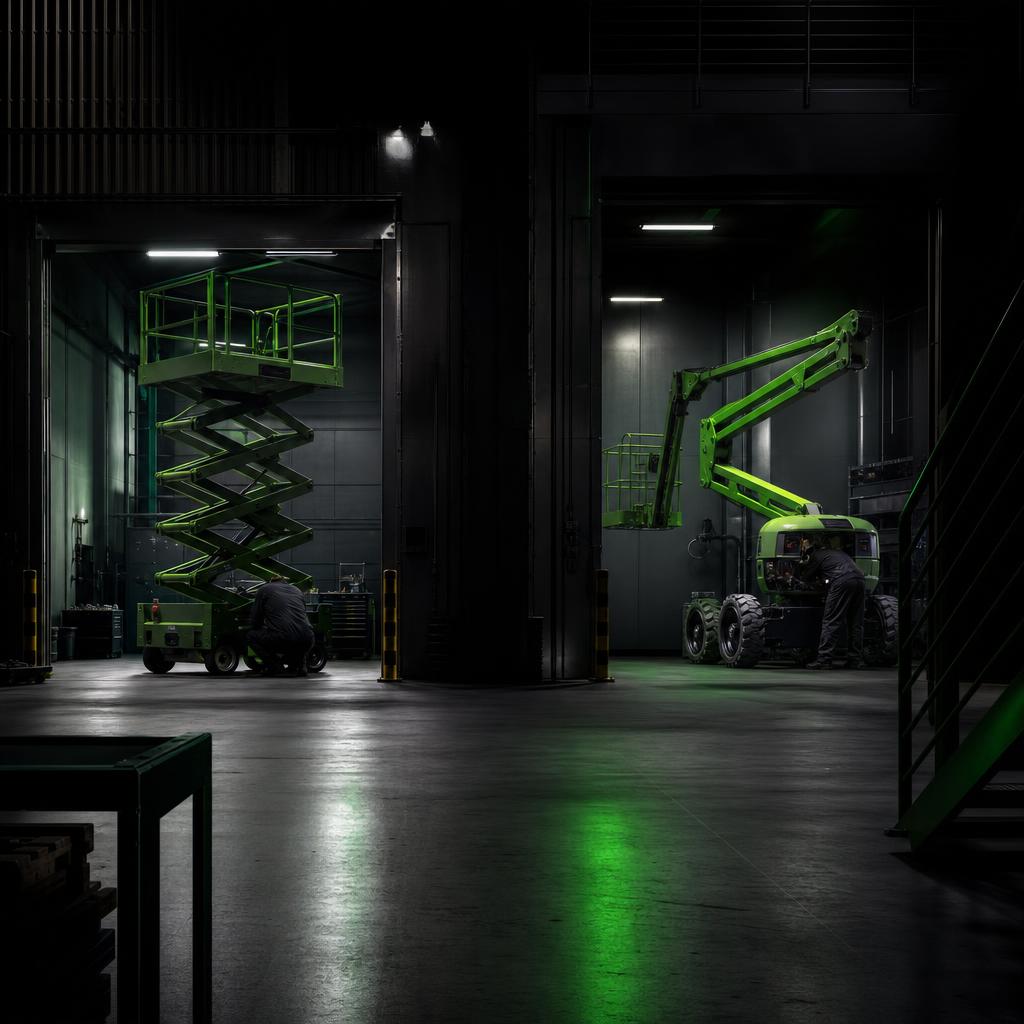
AS 2550.10 Aligned
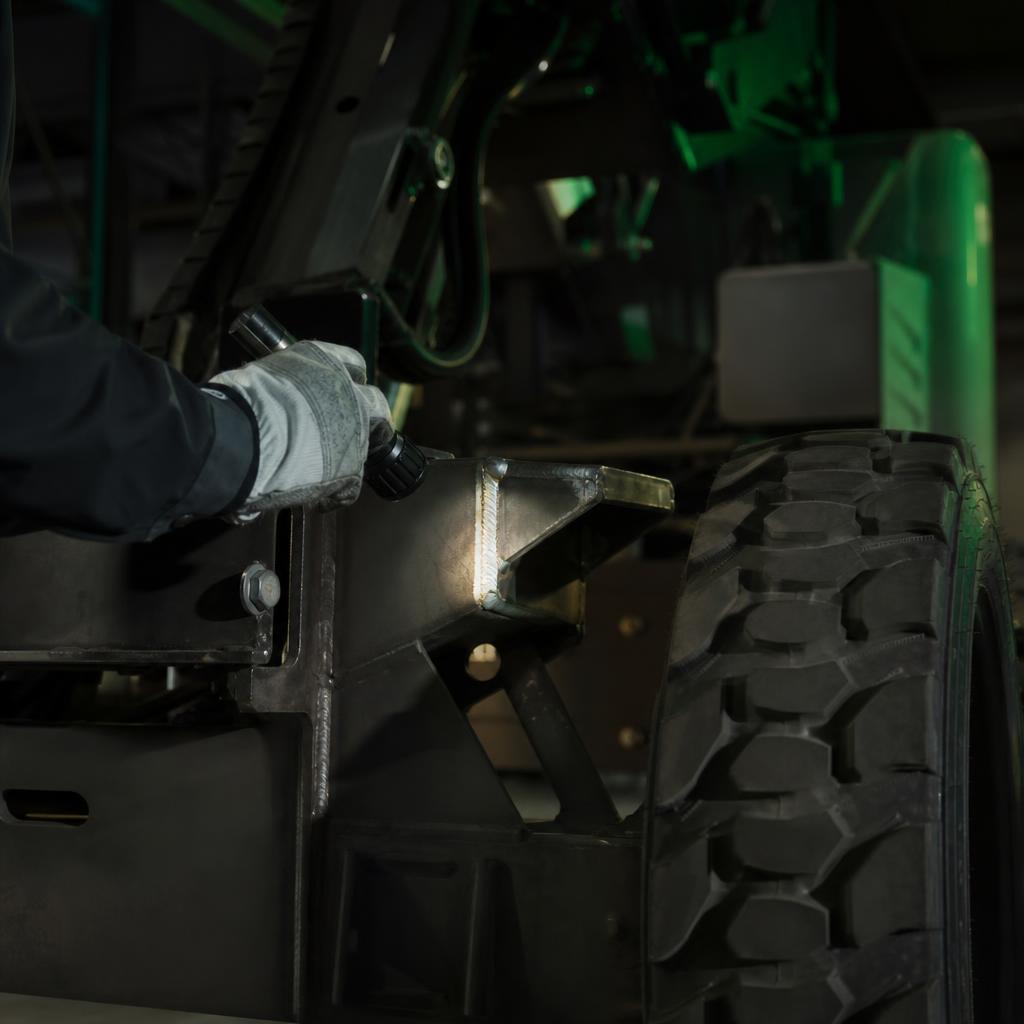
Major inspections carried out to the Australian Standard for EWP structural certification.
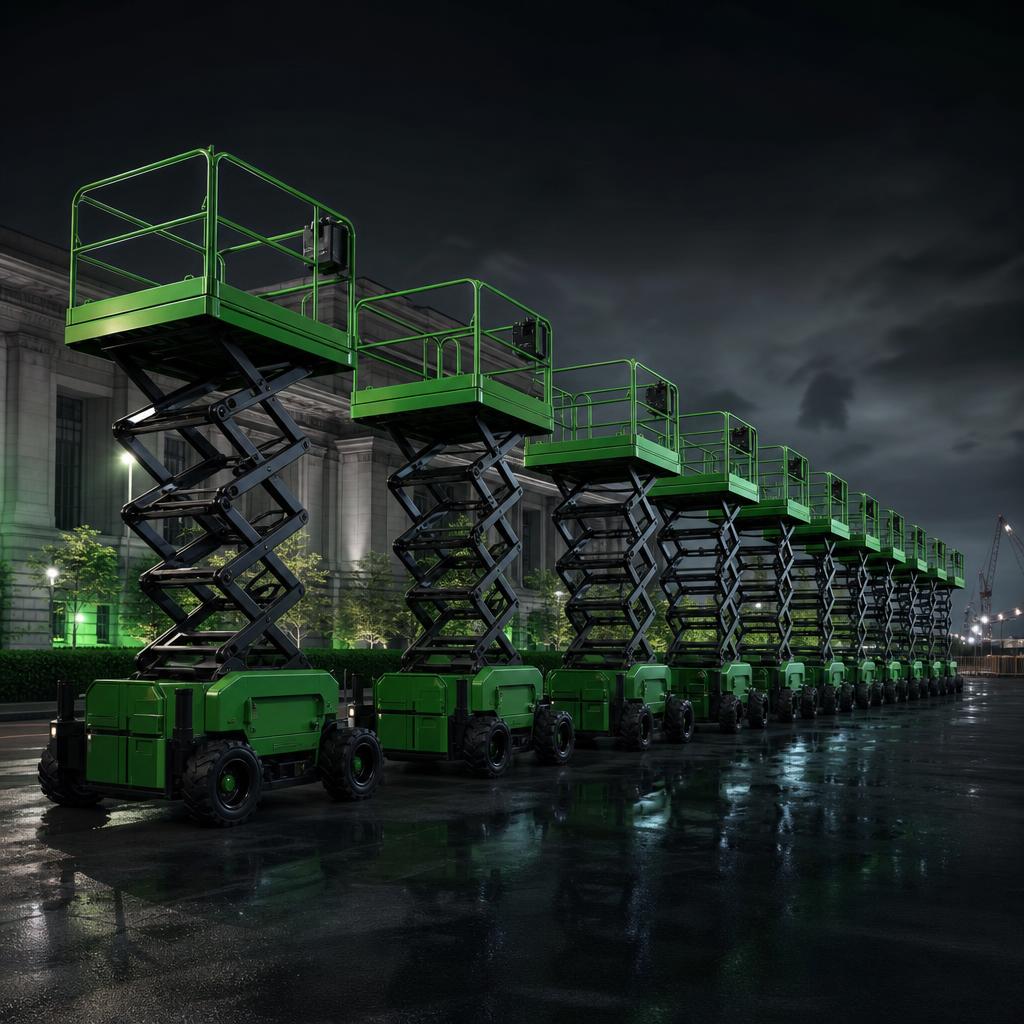
Independent Verification
Inspection and repair divisions kept separate for transparent, conflict-free compliance.
Procurement Ready
Trusted by government, defence, council and major contractor procurement teams.
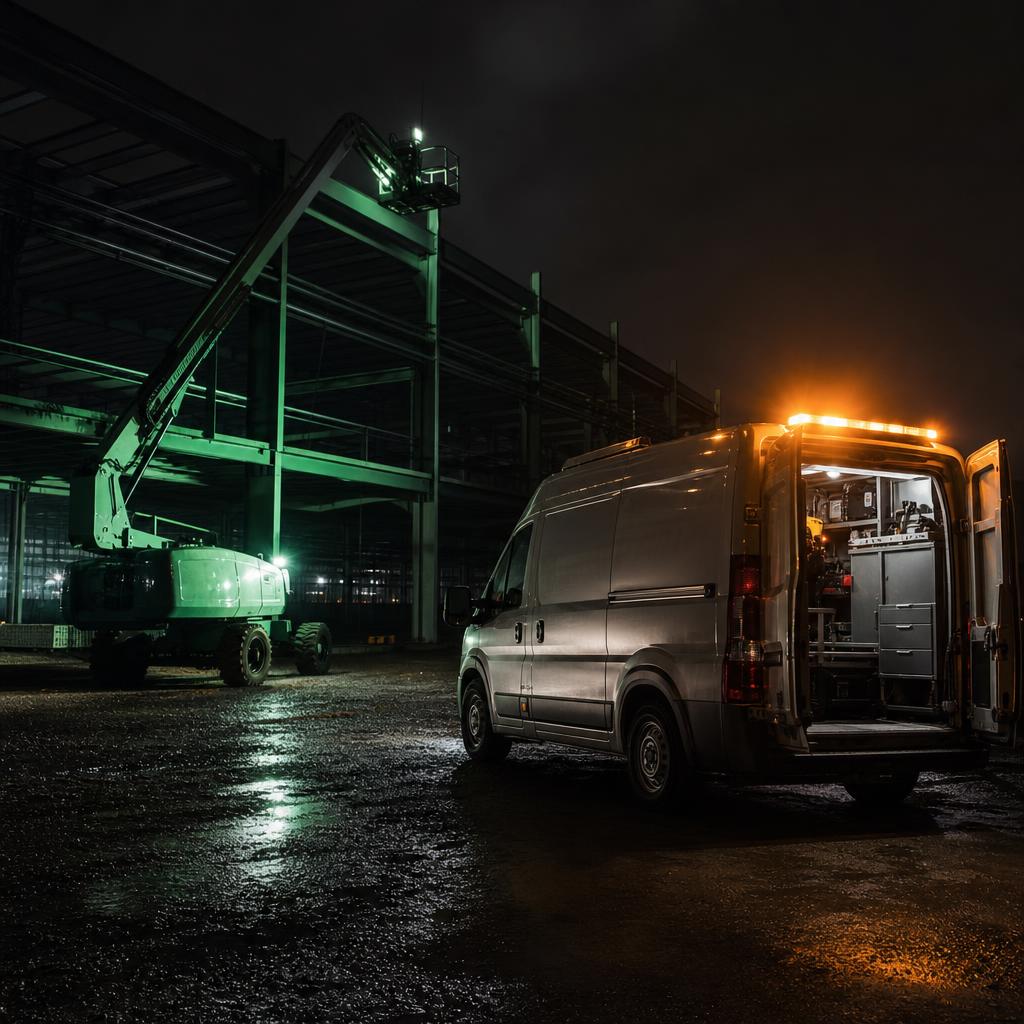
24/7 Breakdown Response
Mobile field service units keep your fleet compliant and operational, day or night.
Trusted across key sectors
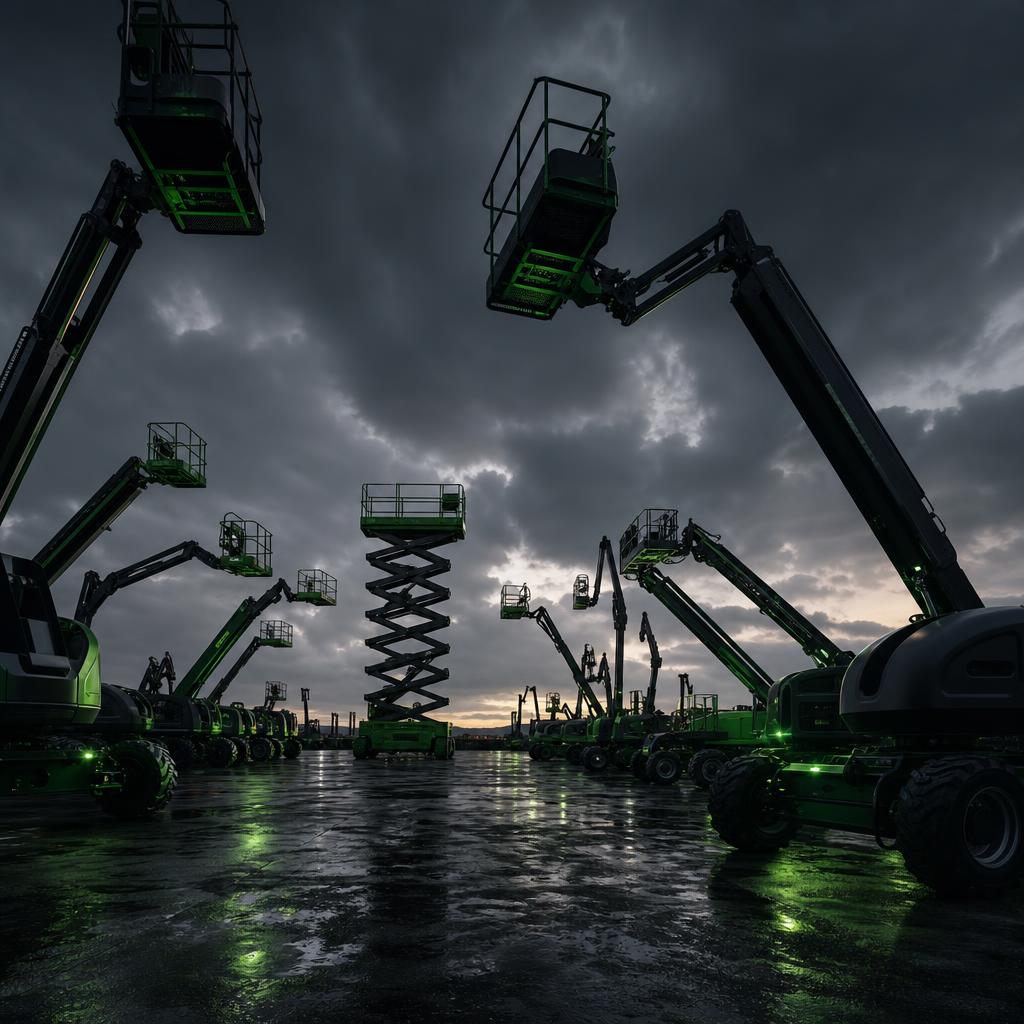
Heavy-Duty Fleet
Late-model, meticulously maintained equipment for sale and ready for immediate deployment to your site.
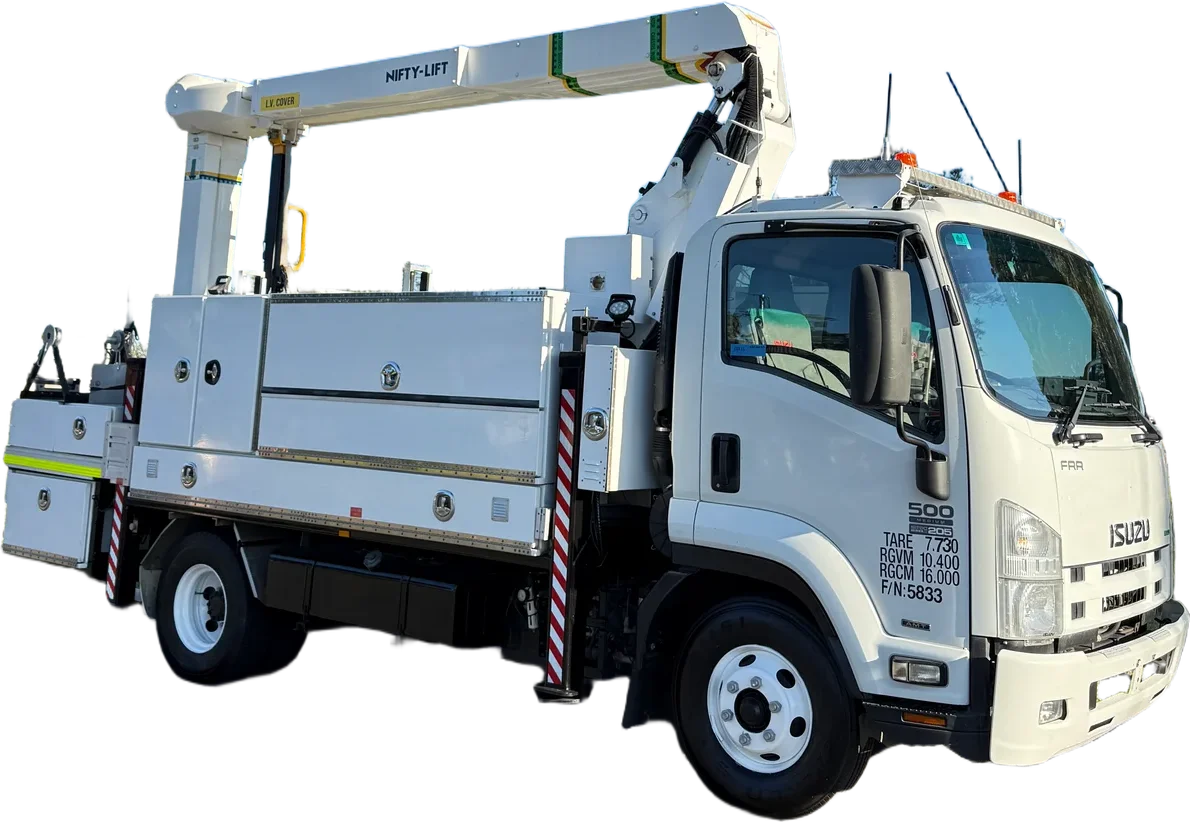
Isuzu Nifty Lift NL122TF
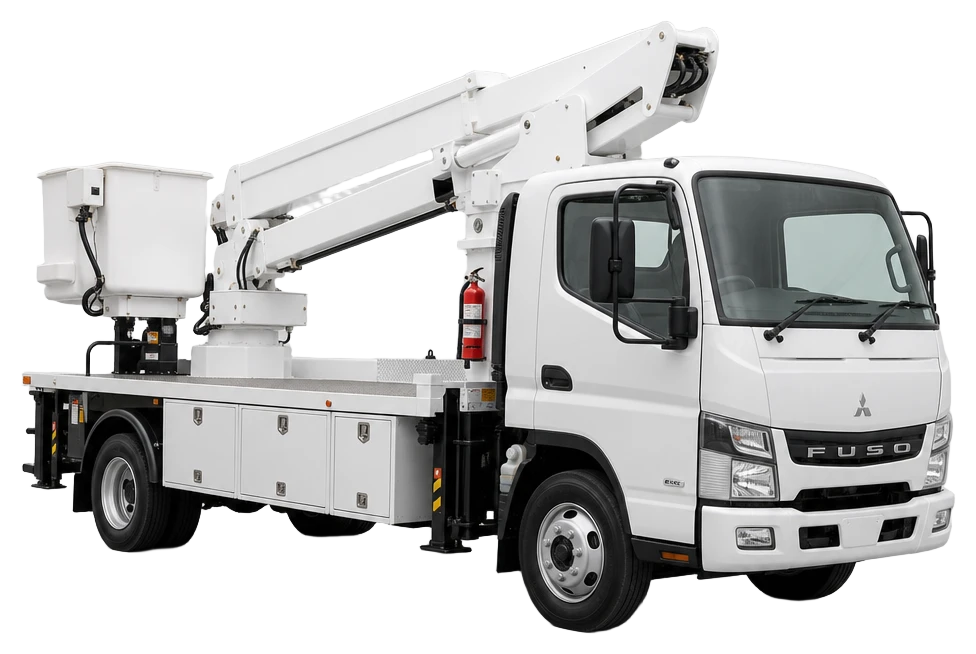
Mitsubishi Terex LT40
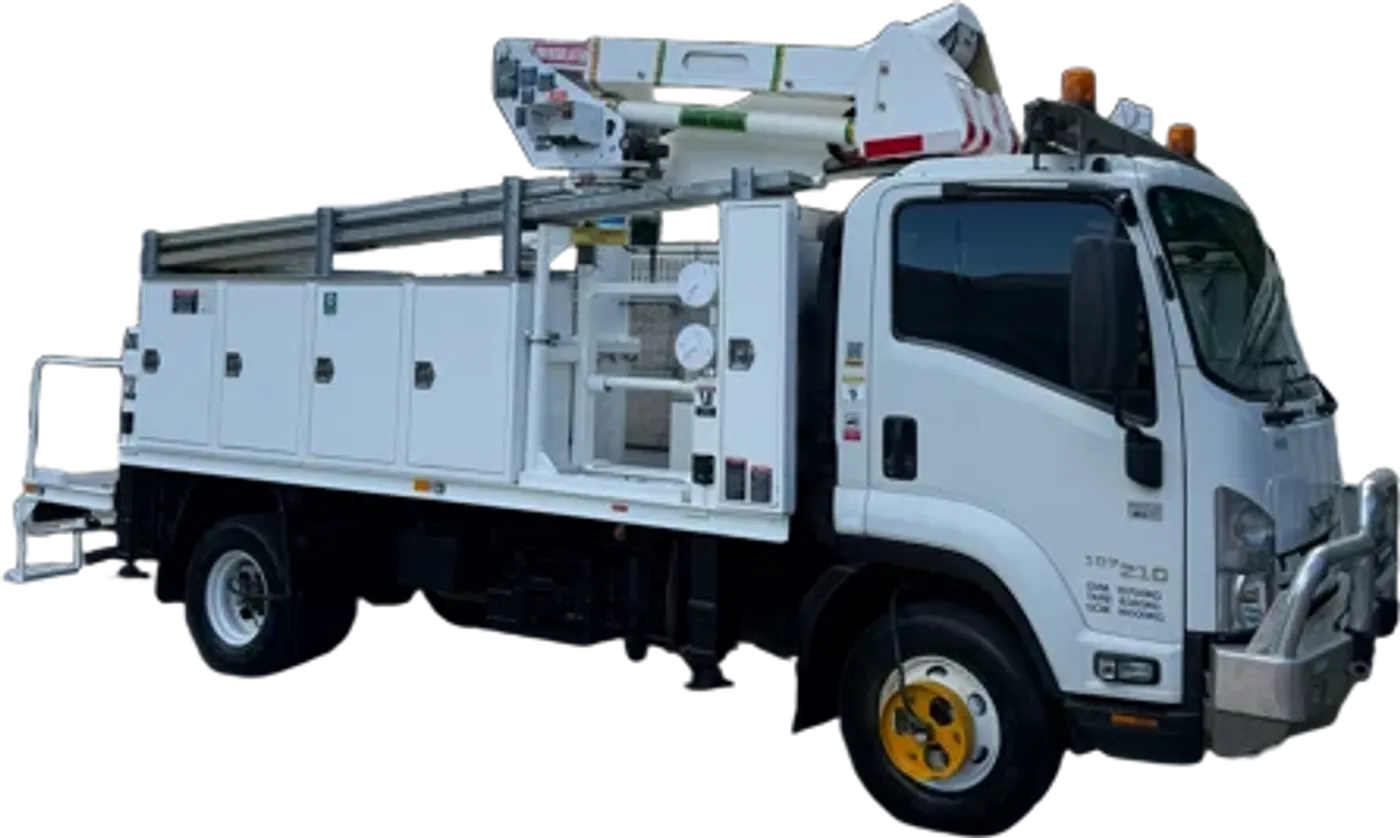
Isuzu Altec AT37G
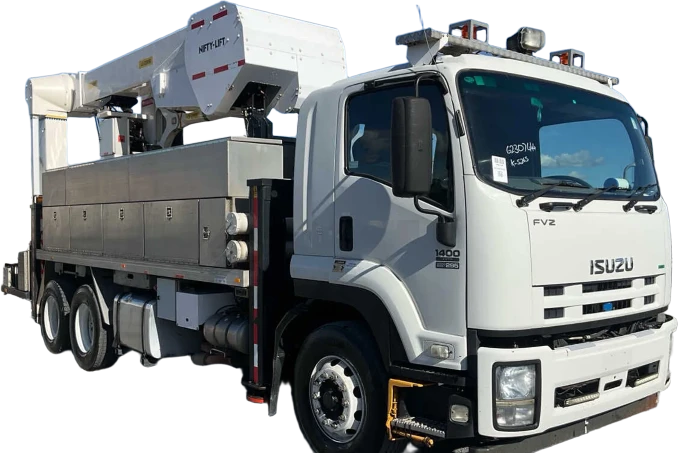
Isuzu NL170KTF
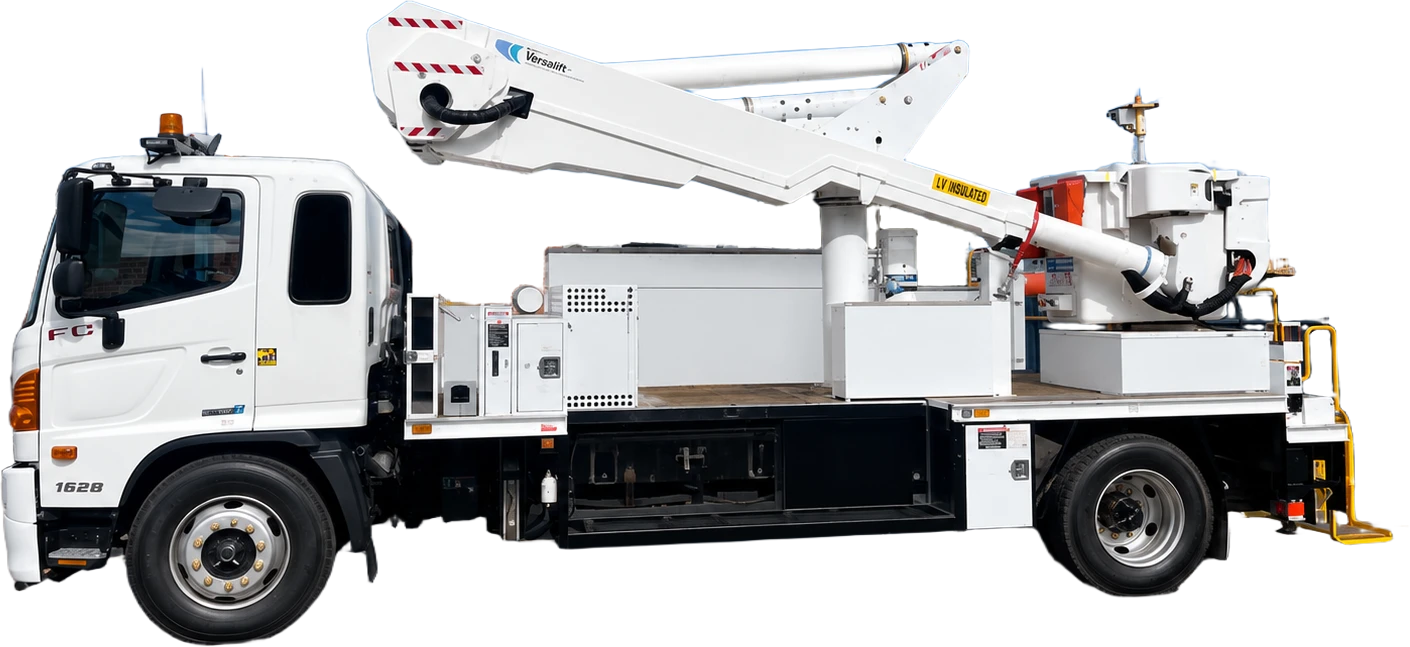
Hino Altec TA45S
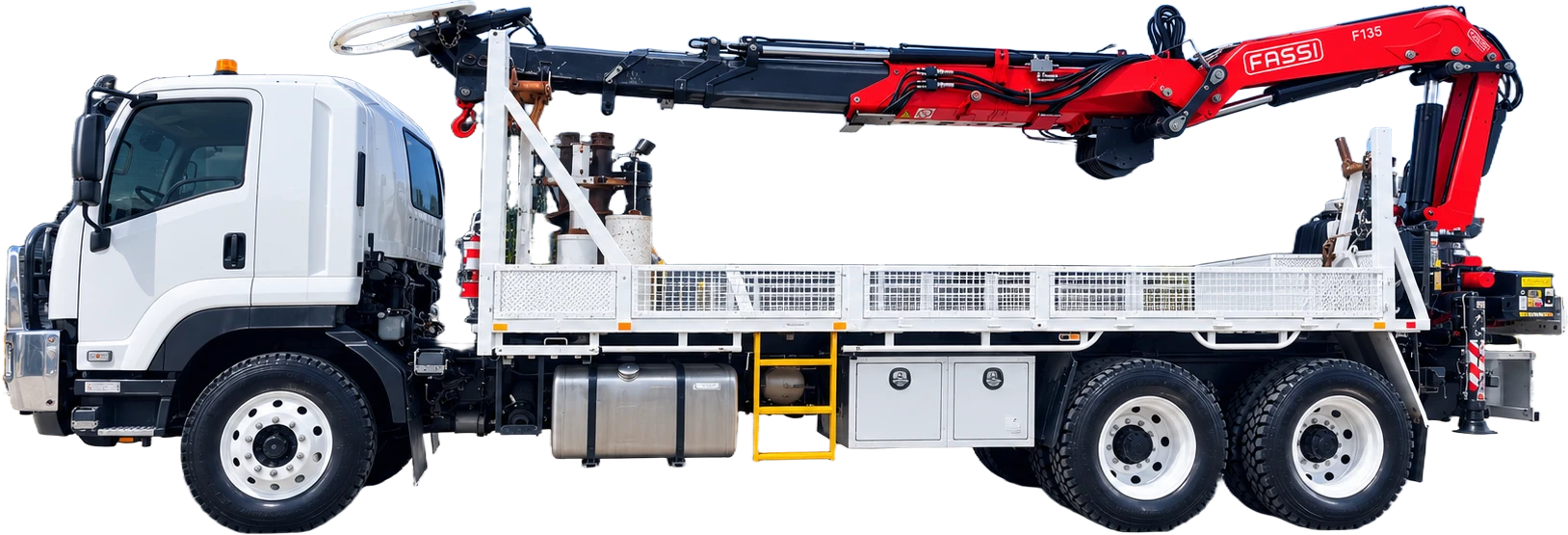
Isuzu FVZ1400 Crane Borer
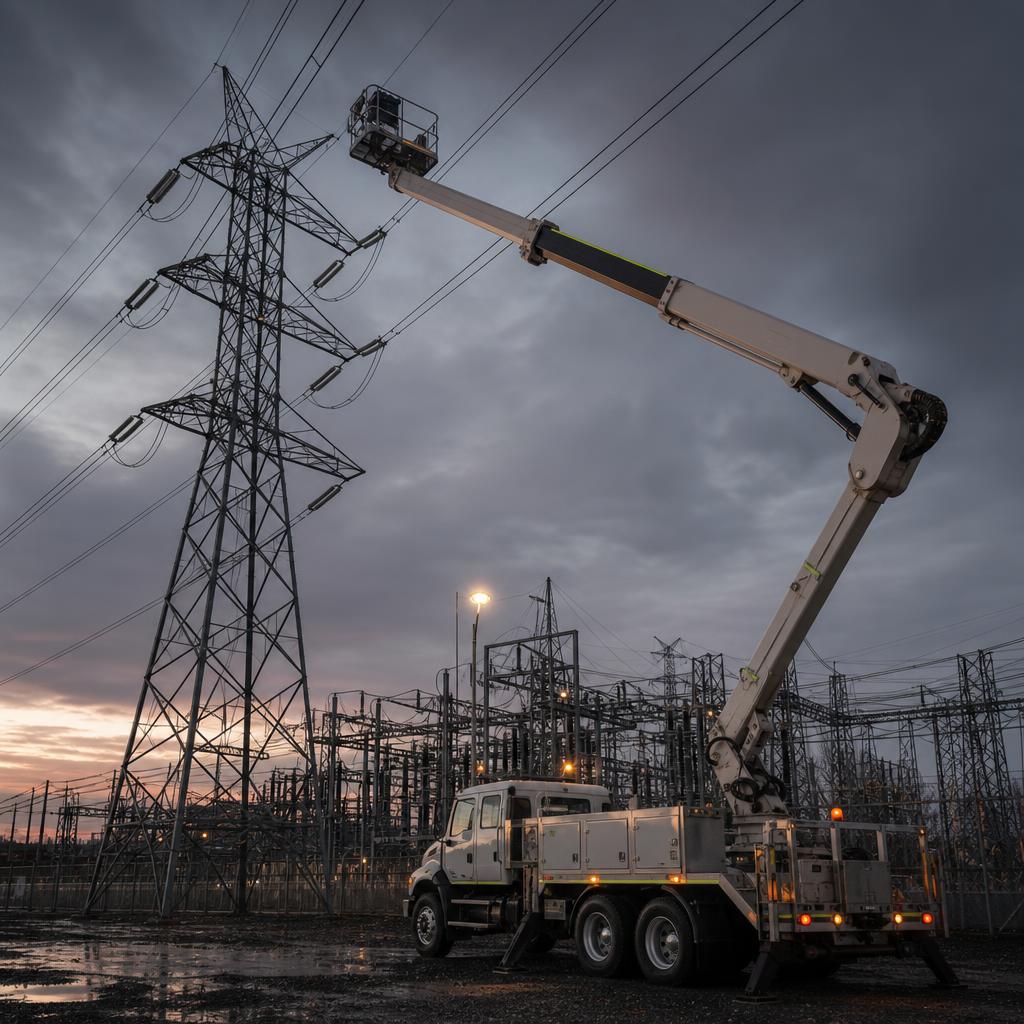
Industries We Serve
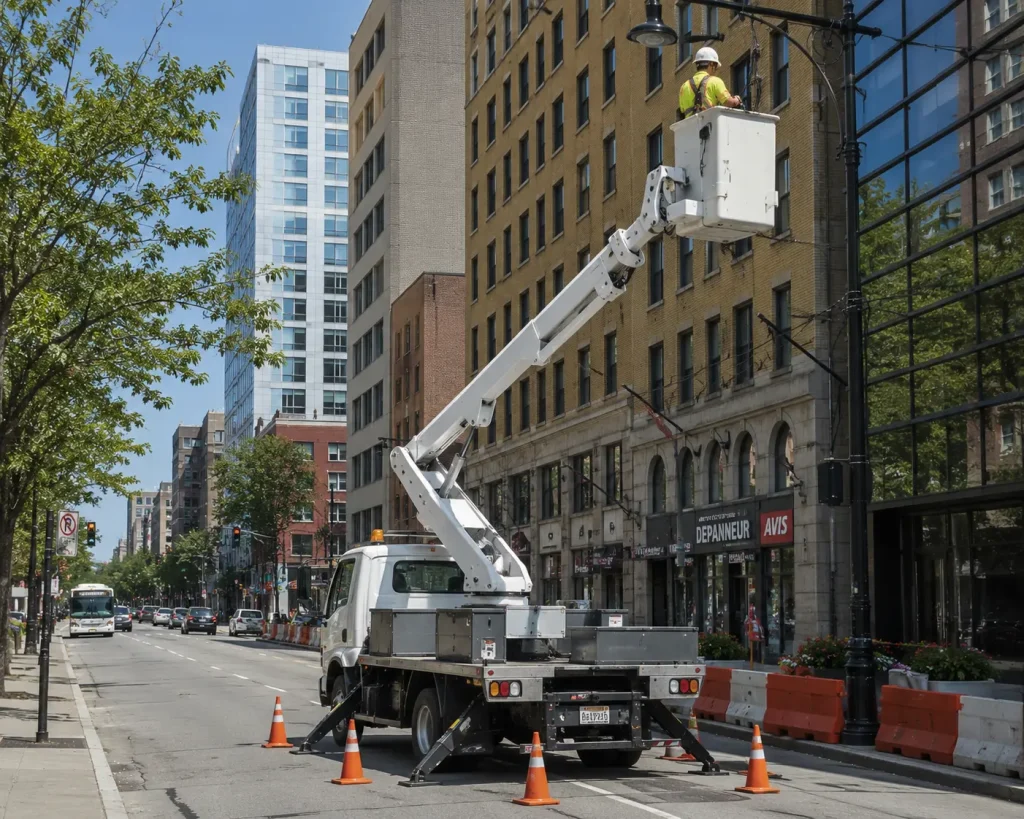
Government
View Services
Defence
View Services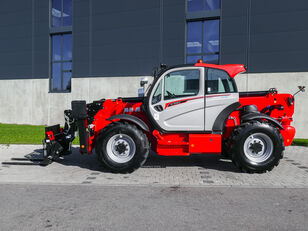
Local Council
View Services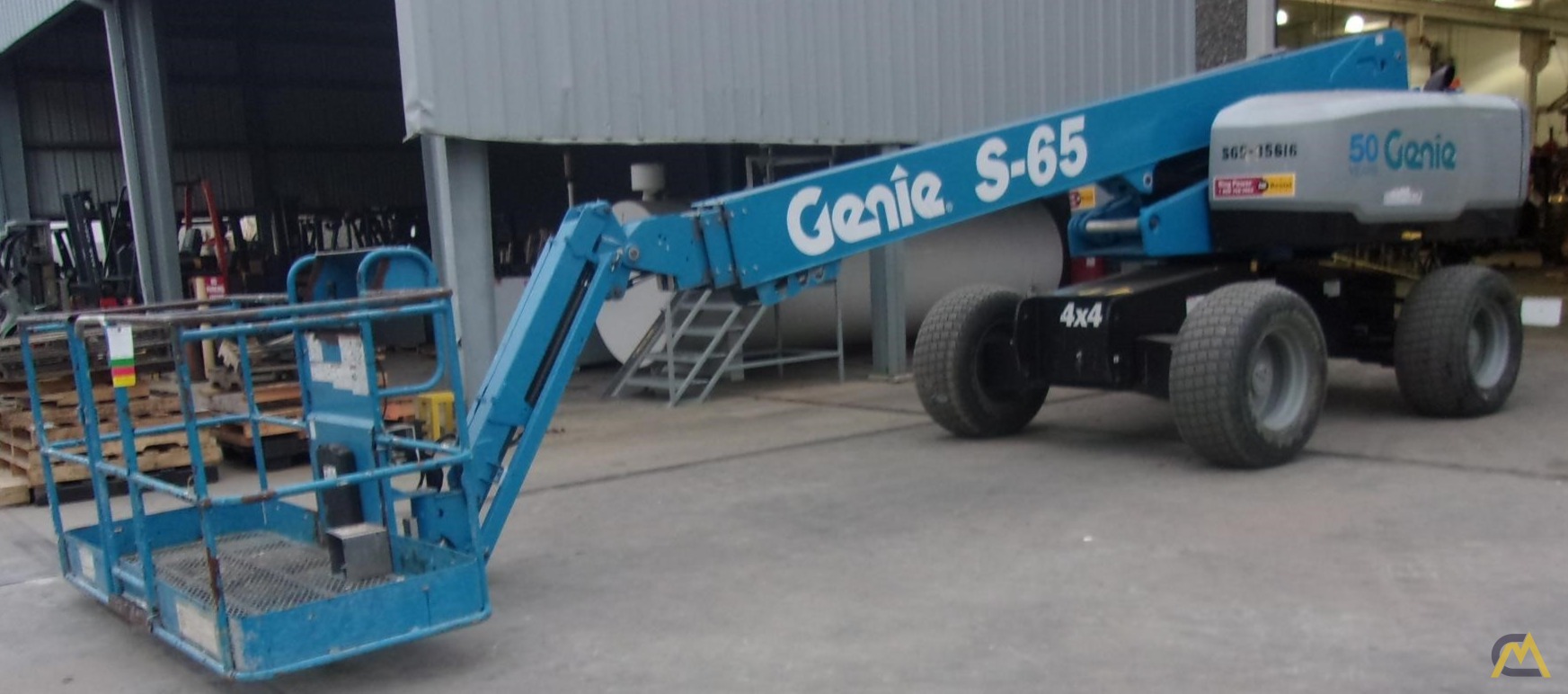
Farms & Agriculture
View Services
Tradespersons
View Services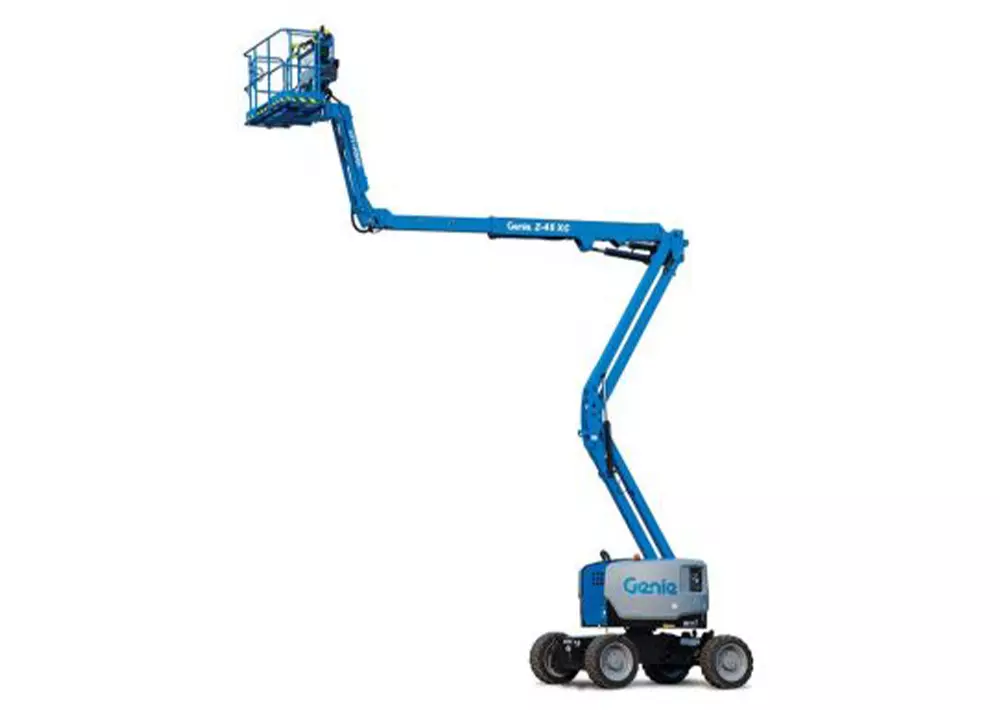
Utilities & Energy
View Services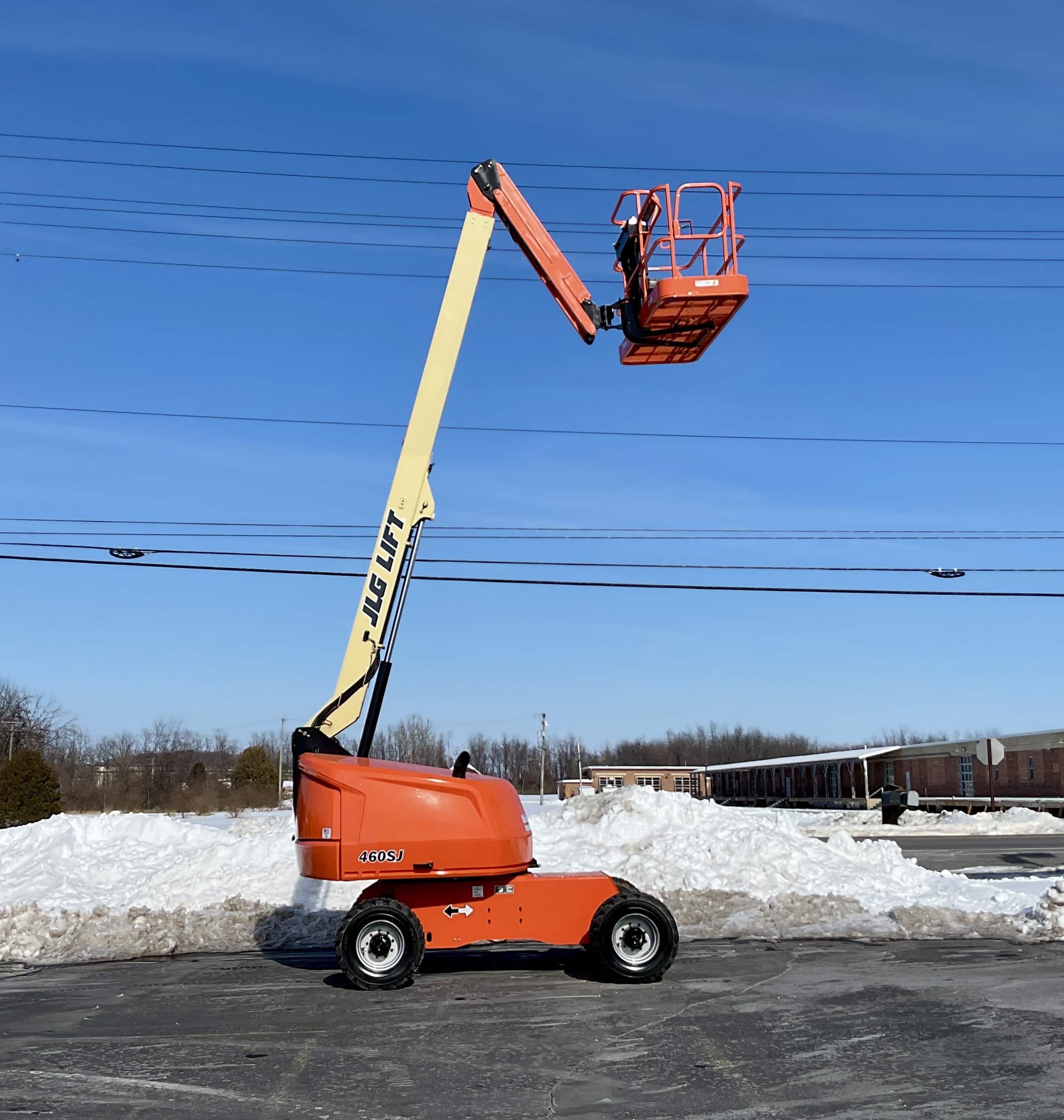
Construction & Infrastructure
View Services
Mining & Resources
View Services
Telecommunications
View Services
Transport & Logistics
View Services
Facilities Management
View Services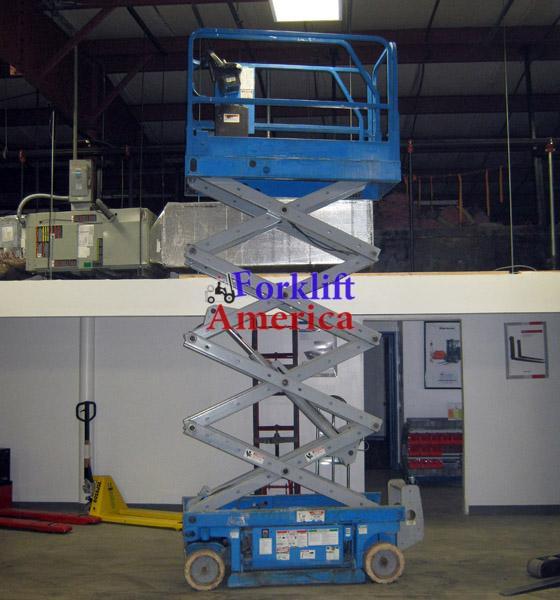
Events & Entertainment
View Services
Electrical Contractors
View Services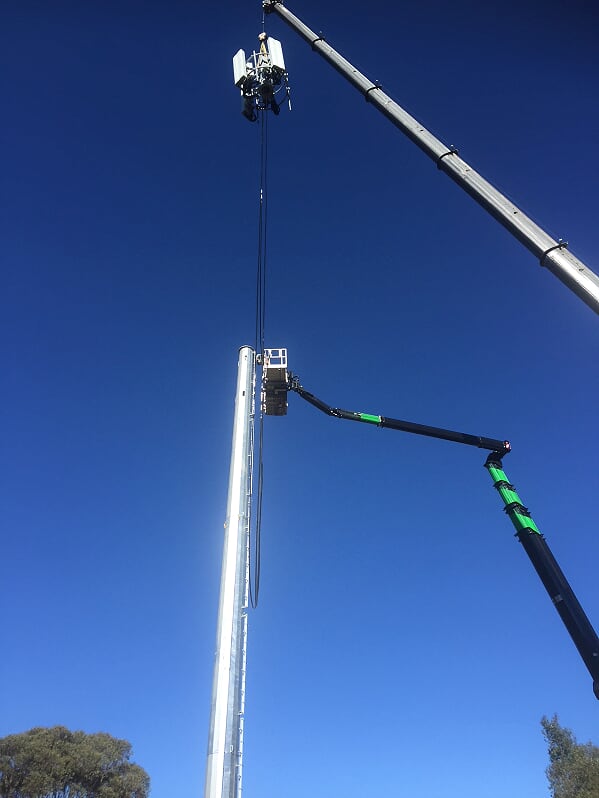
Rail
View Services
Arborists
View ServicesLevel 2 ASP
View ServicesTraffic Management
View ServicesFleet Owners
View ServicesHire Companies
View ServicesCivil Contractors
View ServicesPowerline Contractors
View ServicesElectrical Networks
View ServicesOil & Gas
View ServicesRenewable Energy & Solar
View ServicesPorts & Wharves
View ServicesAirports & Aviation
View ServicesEmergency Services
View ServicesHire & Rental Fleet Owners
View ServicesTrusted By Industry
From government and local shires to electrical contractors and Level 2 ASPs — the teams who rely on us to keep their access equipment compliant and working.












National Infrastructure Support
Reliable fleet access and major inspection services for government, defence, and top-tier contractors.