EWP Inspections
& Testing
Compliance is the licence to operate. From annual periodic inspections to 10-year majors, NDT crack testing, load testing and independent pre-purchase reports, EWP Australia delivers inspection and testing programs with the documentation auditors, principals and mine sites expect.
What We Deliver
Annual EWP Inspections
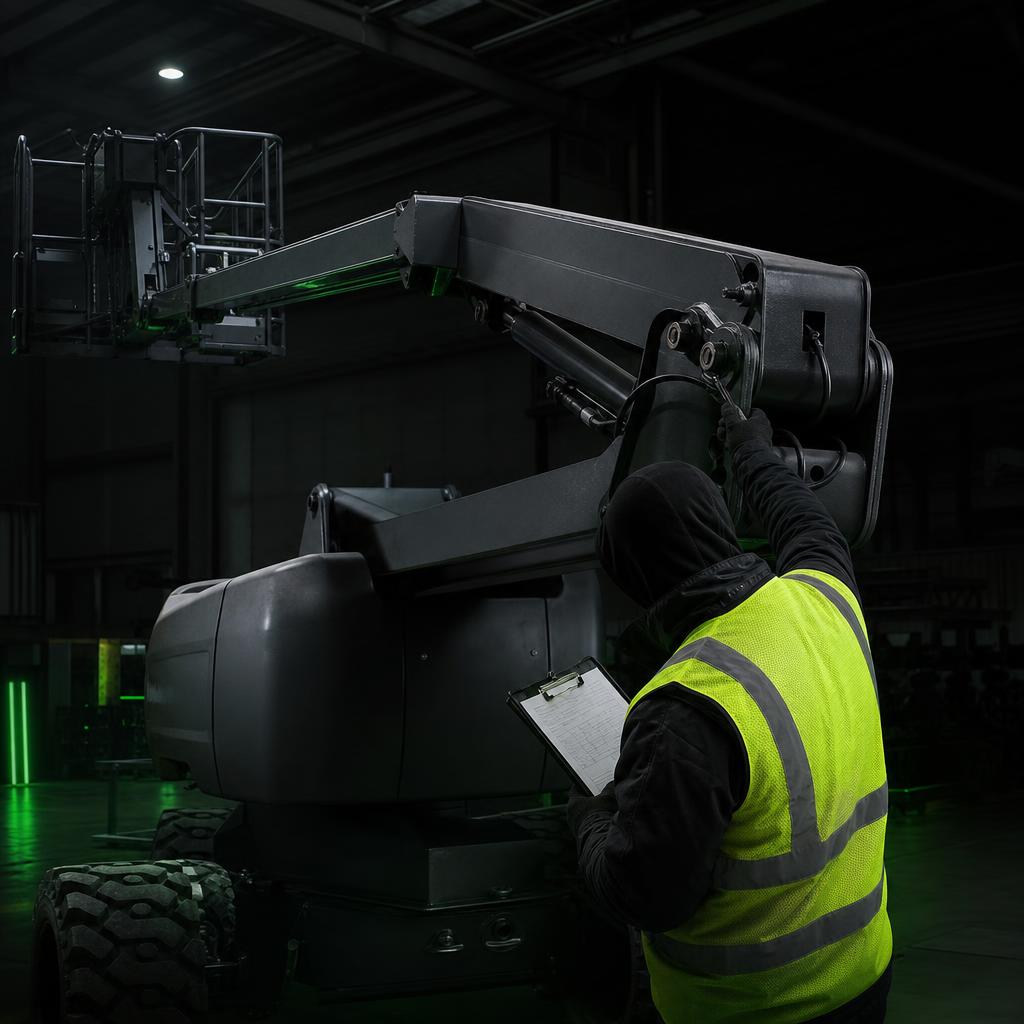
Every elevated work platform needs a documented annual inspection to stay compliant and safe to operate. We coordinate periodic EWP inspections carried out to AS 2550.10, covering the structural, hydraulic, mechanical and safety systems that keep your plant working and your operators protected.
Learn moreBook a 10-Year Major Inspection
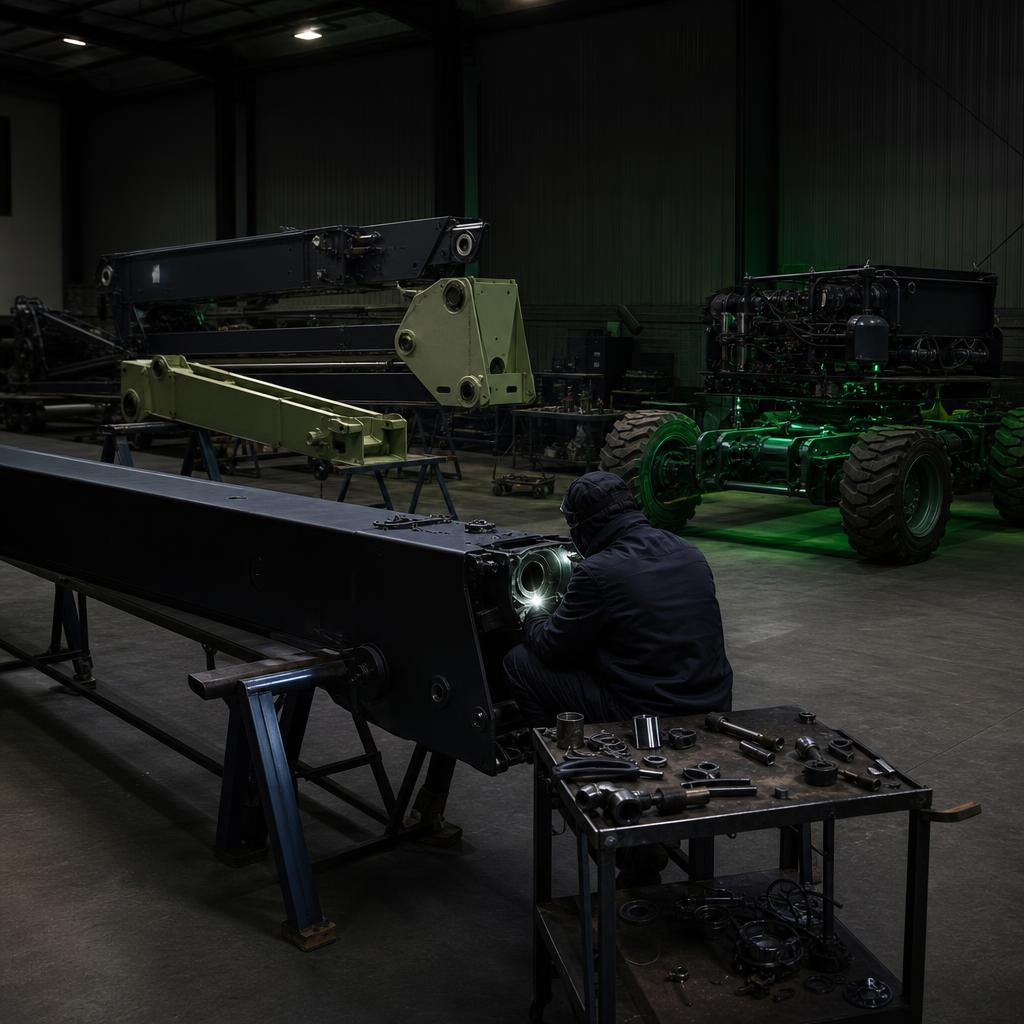
When an elevated work platform reaches ten years of age, it is due for a major inspection — a far deeper assessment than a routine service. This page is where you book it. We coordinate the strip-down, testing and recertification so an ageing unit can be returned to a compliant, working condition rather than retired early.
Learn moreNon-Destructive Testing (NDT) Services for EWPs & Cranes
NDT testing — also called non-destructive testing, NDT inspection or crack testing — examines welds, pins and load-bearing components without cutting them apart or damaging them. For elevated work platforms and cranes, it helps turn a visual concern into evidence about structural condition, especially where people or heavy loads are being lifted.
Learn moreLoad & Stability Testing
Load and stability testing confirms that an elevated work platform can safely carry its rated load and stay stable through its working range. It is proof — not assumption — that the machine performs the way its rating plate says it should.
Learn morePre-Purchase EWP Inspections
Buying used access equipment is a serious investment, and a rating plate tells you nothing about wear, past repairs or looming compliance costs. An independent pre-purchase inspection gives you an honest condition report before you commit — so you know exactly what you are buying.
Learn moreInsulated EWP Electrical Testing
An insulated EWP is only as safe as its insulation. For crews working near live electrical apparatus, the dielectric integrity of the boom and platform is the barrier that protects them — and it degrades with age, contamination and damage. Periodic electrical testing confirms that barrier is still doing its job.
Learn moreEWP Certification
EWP certification is the documented evidence that an elevated work platform has been inspected, tested and confirmed safe to operate. It is not a single stamp — it is the trail of records built through routine servicing, annual inspections, periodic testing and, at ten years, a major inspection. Together they demonstrate that a machine still meets the safe-use requirements it was designed to.
Learn more5-Year EWP Certification & Inspection
Plenty of owners search for a "5-year EWP certification" for their cherry picker, boom lift, truck-mounted EWP or bucket truck — so it is worth being straight about what that means in Australia. There is no legislated five-year major inspection here. The mandated major inspection falls at ten years, with routine and annual inspections and periodic testing carried out in between.
Learn moreEngineering Reports for EWPs & Access Equipment
An engineering report turns an inspection or test into documented, defensible evidence. It sets out what was assessed, the method used, what was found, and what it means for the safe use of the machine — the record auditors, insurers and asset managers actually rely on when a decision has to be justified.
Learn moreEddy Current Testing (ET) for EWPs
Eddy current testing is an electromagnetic non-destructive method used to find surface and near-surface cracks in conductive components. On elevated work platforms it is valuable where fatigue cracking tends to start — around highly stressed connections and fittings — and it can often detect flaws without stripping paint or coatings, which makes it a practical tool during inspection and repair verification.
Learn moreEngineering Testing & Sign-Off
Some situations need more than a single test — they need a coordinated engineering assessment that draws together load, stability, structural and dielectric testing under one banner, with the results interpreted and signed off as a package. Engineering testing is that umbrella: the right combination of methods chosen for the machine, its history and the decision you need to make.
Learn moreCherry Picker Major Inspection
"Cherry picker" is a broad term operators use for almost any boom-type elevating work platform, from a truck-mounted unit to a self-propelled knuckle boom. Whatever you call yours, once it reaches ten years of age it is due for a major inspection — a full strip-down and structural assessment that goes far deeper than a routine service. This page is where you book it, and where we make sense of which machine you actually have before we start.
Learn moreBoom Lift Major Inspection
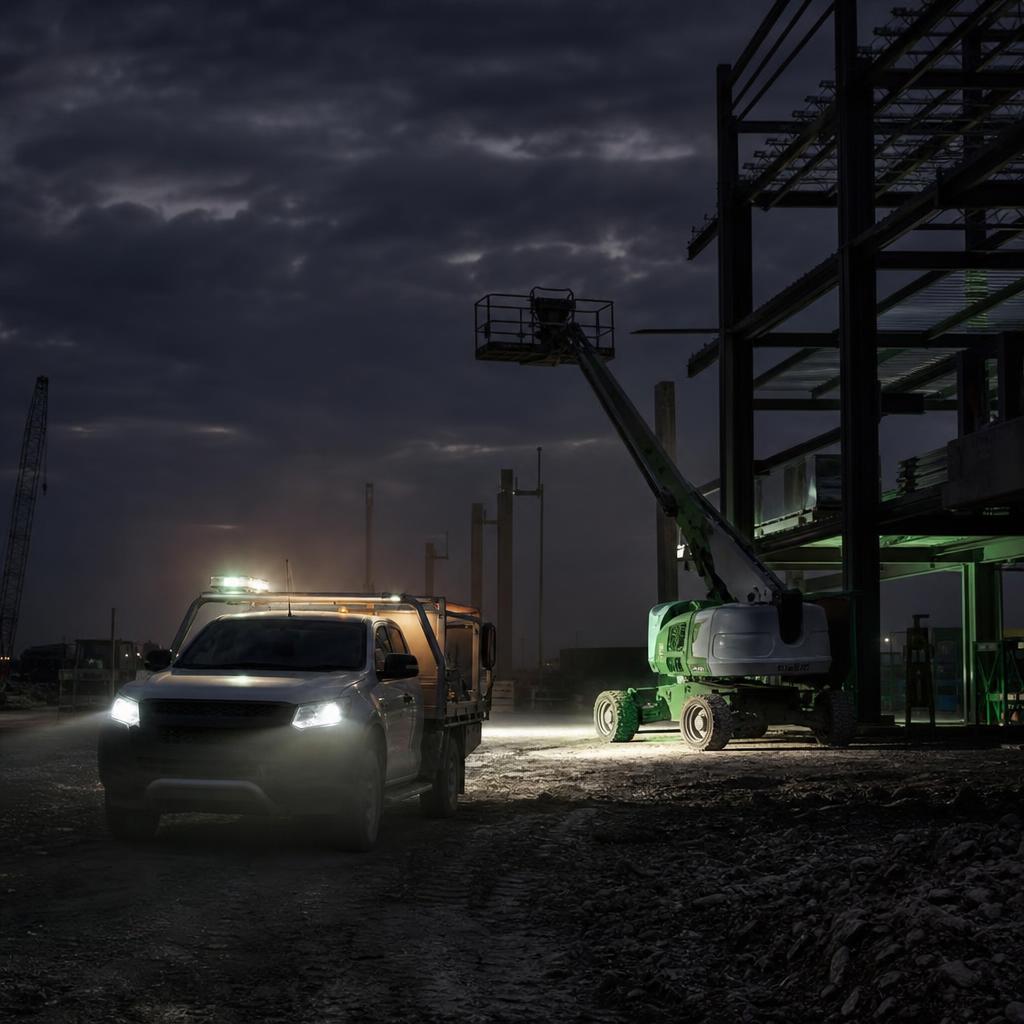
A boom lift lives or dies by its boom. On a telescopic unit the fly sections slide inside one another on wear pads that carry enormous bending loads; on a knuckle boom the articulation points take repeated, high-stress cycles every time the operator repositions the platform. Ten years of that duty is exactly why the major inspection exists, and this page is where you book yours.
Learn moreTruck-Mounted EWP Major Inspection
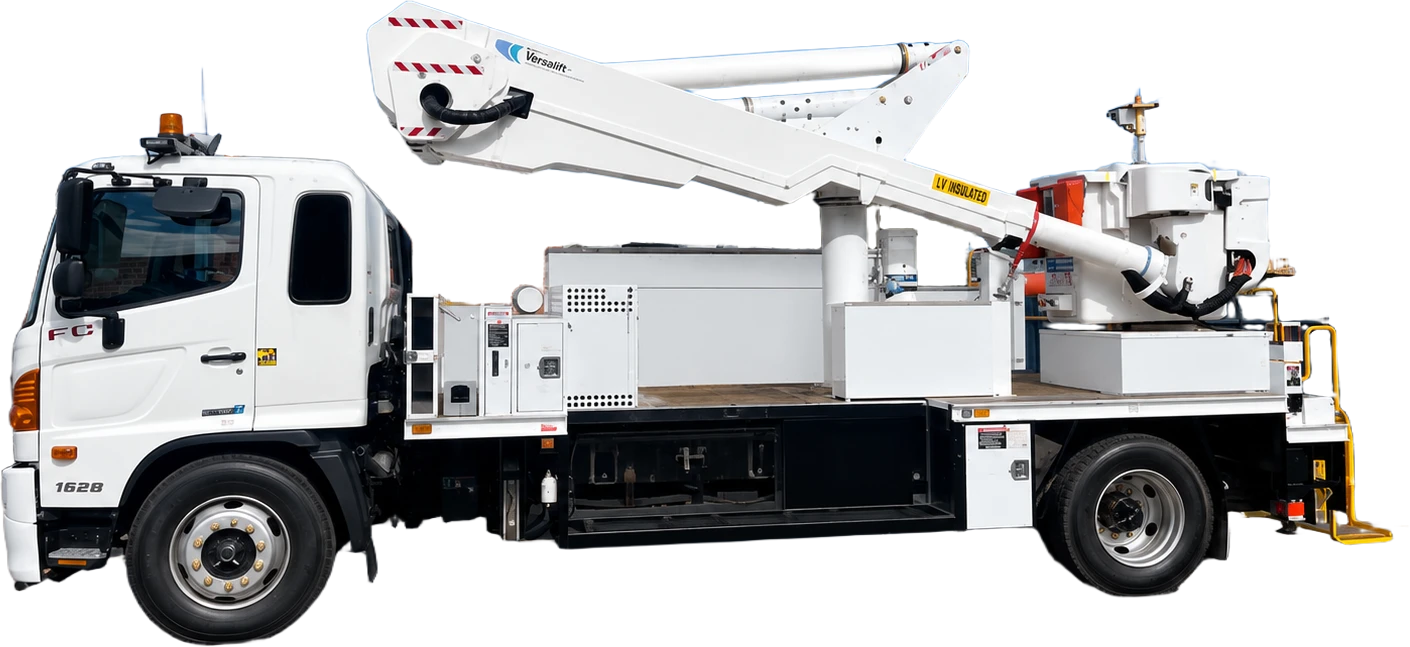
A truck-mounted EWP is really two machines working together: an access platform bolted to a road vehicle. That combination adds a whole layer to the major inspection — the subframe that ties the unit to the chassis, the stabiliser legs that plant it on the ground, and the slew ring that lets the boom rotate under load. Ten years of driving, deploying and lifting works all of them hard, and this page is where you book the inspection that checks them.
Learn moreScissor Lift Major Inspection
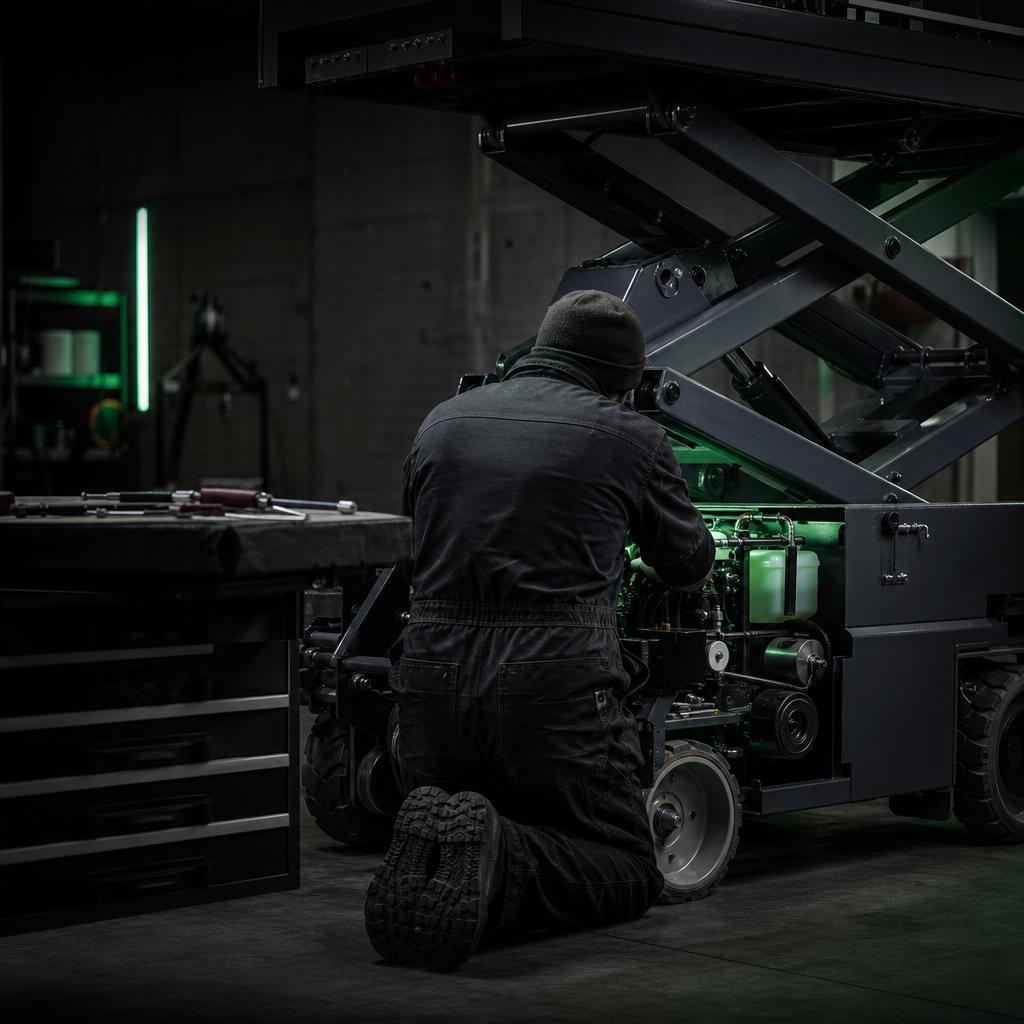
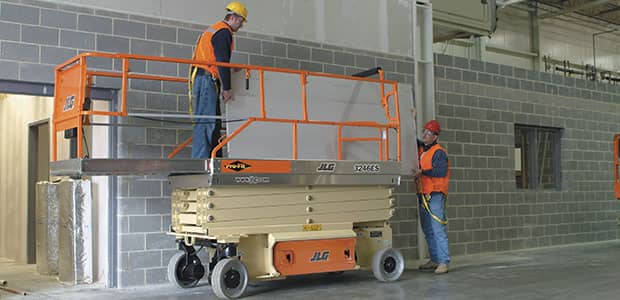
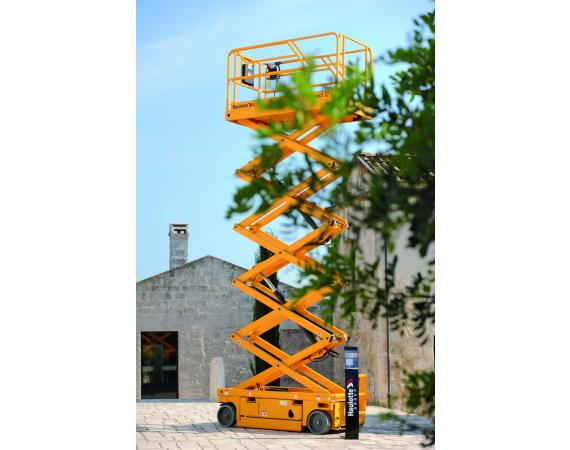
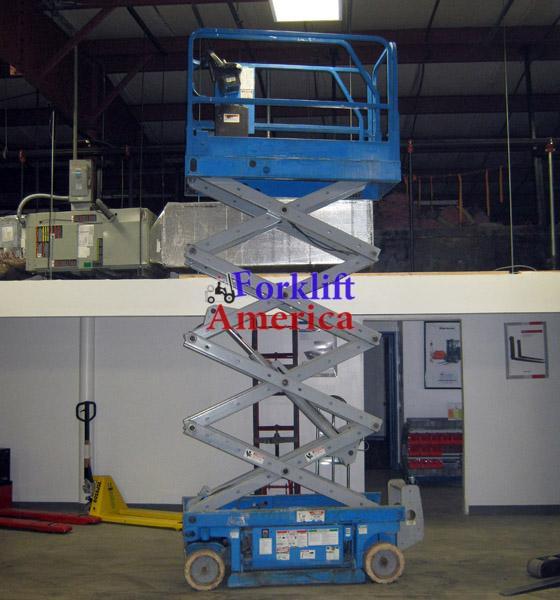
A scissor lift carries its entire load through a stack of crossed arms pinned together at every joint. Those stack pins and the scissor arms around them are under bending and shear stress every time the platform rises, and over ten years that stress accumulates in places a routine service never opens up. This page is where you book the major inspection that finally does.
Learn moreSpider Lift Major Inspection
A spider lift earns its name from the four independently adjustable outrigger legs that spread out to plant a compact, lightweight machine on uneven ground. Those legs, the tracked undercarriage that carries it into tight spaces, and the multi-section compact boom are what make a spider lift so capable — and they are exactly what a ten-year major inspection has to prove are still sound. This page is where you book that inspection.
Learn moreInsulated EWP Major Inspection
An insulated EWP has to pass everything an ordinary boom does at its ten-year major inspection — and then prove the thing that makes it insulated still works. For crews working near live apparatus, the dielectric barrier built into the boom and platform is what keeps them alive, and after ten years of use, weathering and cleaning it cannot simply be assumed to be intact. This page is where you book the major inspection that assesses both.
Learn moreMobile Crane Inspections & Certification
A mobile crane earns its keep by moving from job to job, and every relocation, set-up and pick adds cycles to the boom, the slew ring, the outriggers and the load-bearing structure. Inspection and certification are what prove that structure is still sound — not a formality, but the documented basis on which the crane is allowed to keep lifting. We carry out independent mobile crane inspections and certification across all-terrain, rough-terrain and city (pick-and-carry style) cranes, working to the AS 2550 series for safe use and AS 1418 for the design framework the machine was built to.
Learn moreFranna & Pick-and-Carry Crane Inspections
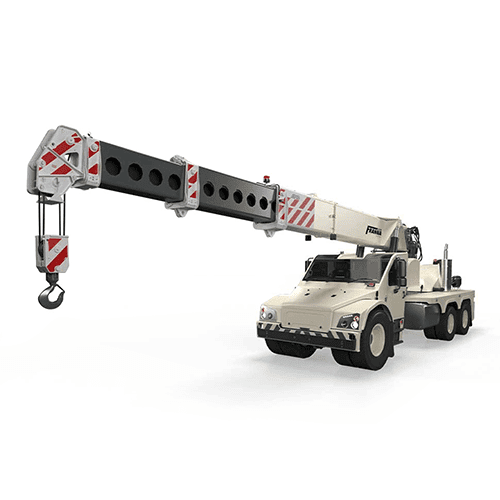
"Franna" has become the everyday name for articulated pick-and-carry cranes on Australian sites, much as operators say "cherry picker" for almost any boom platform. Franna is in fact a well-known brand name for the class, but the machines are used and maintained the same way whatever the badge on the counterweight. This page is where you arrange independent inspection and certification for a pick-and-carry crane — Franna-branded or otherwise — to the AS 2550 series for safe use and AS 1418 for the design framework.
Learn moreVehicle Loading Crane Inspections
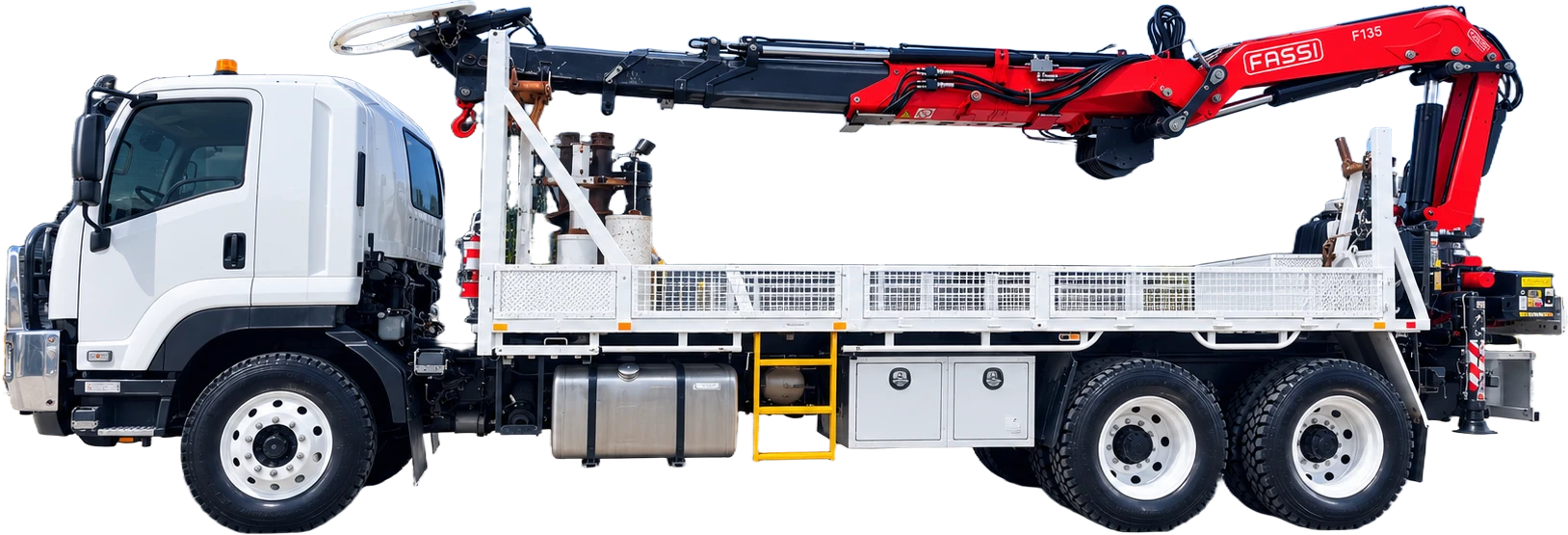
A vehicle loading crane — the truck-mounted loader crane many operators simply call a "Hiab" — earns its living loading and unloading its own vehicle and the loads around it, often many times a day. Common makes include Hiab, Palfinger and Fassi, and while those manufacturers each have their own service networks, a loader crane can be inspected, tested and certified independently. This page is where you arrange that work, carried out to the AS 2550 series for safe use and AS 1418 for the design framework the crane was built within.
Learn moreBucket Truck & Utility Truck EWP Inspections
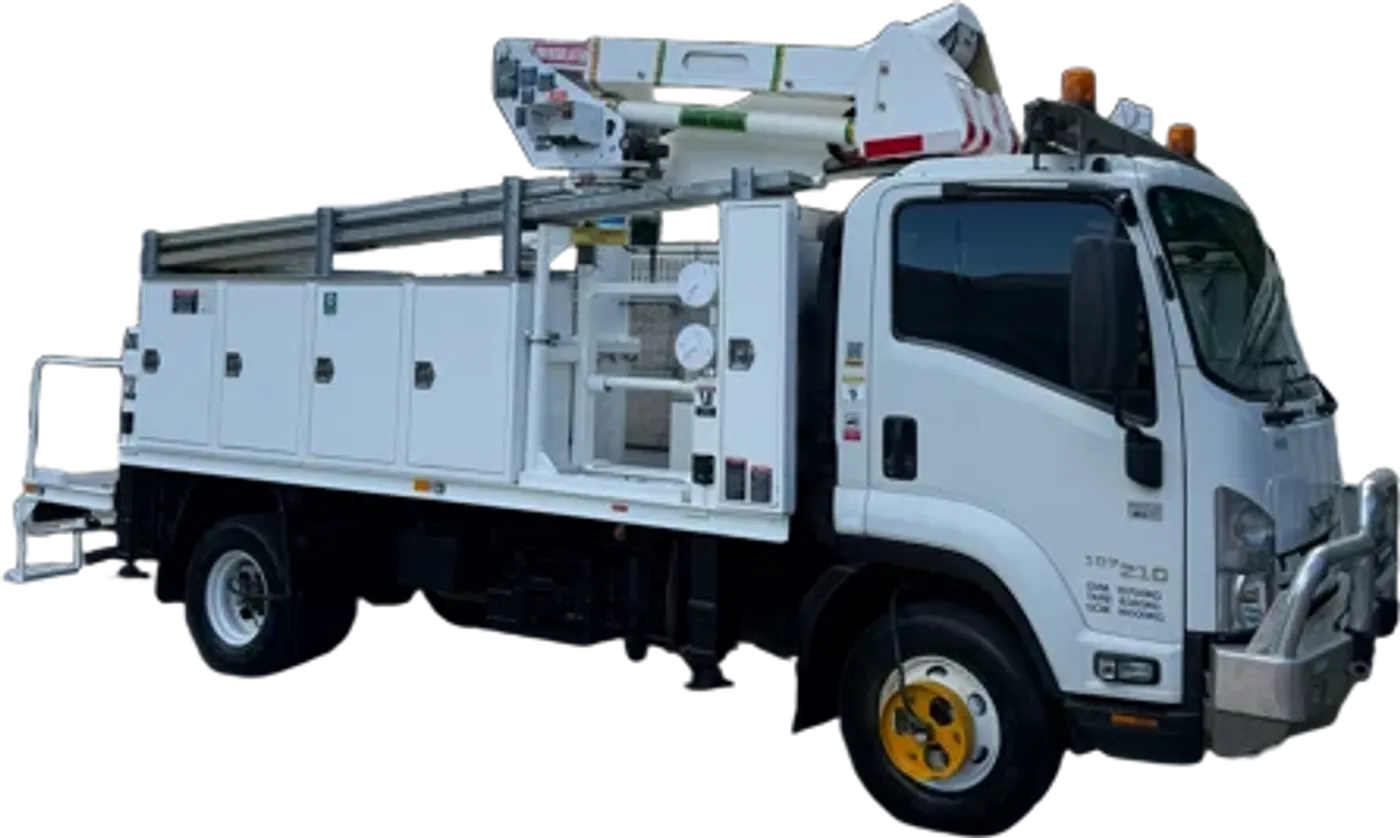
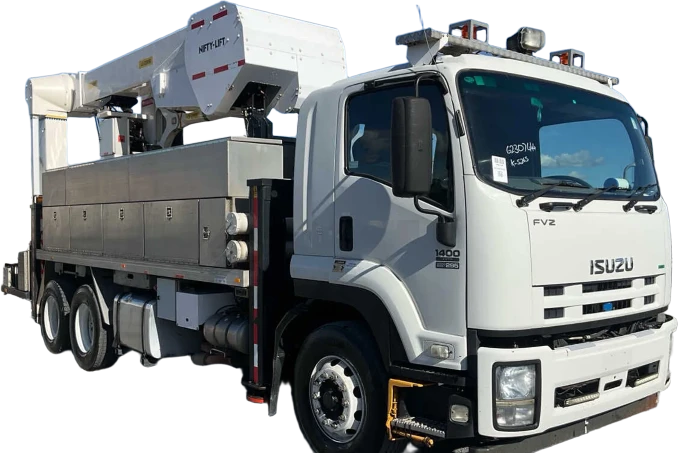
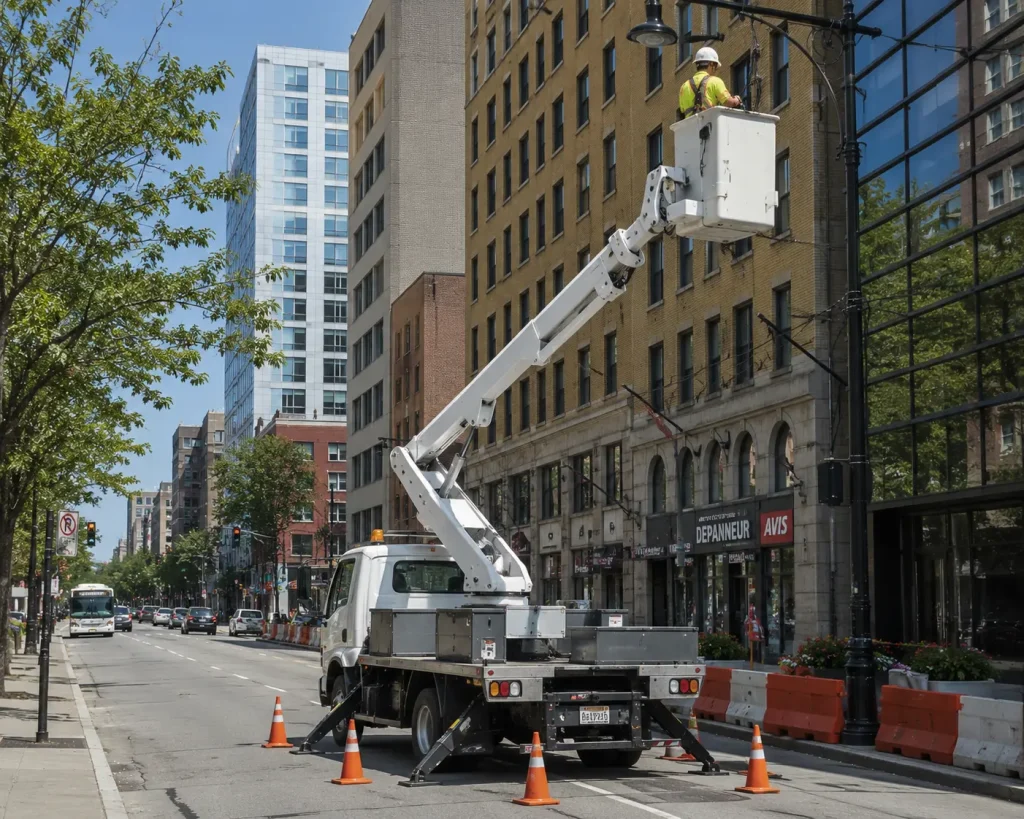
A bucket truck — the truck-mounted EWP used by utility, telco, arboriculture and facilities crews — spends its life reaching over roads, footpaths and live services, so its inspection regime has to cover far more than a routine service. We carry out independent bucket truck and utility truck EWP inspections across both insulated and non-insulated units, working to AS 2550.10 for the safe use of elevated work platforms and the wider AS 2550 series for the truck-mounted lifting equipment on the same chassis.
Learn moreMEWP Inspections & Certification
"MEWP" — mobile elevating work platform — is the international term for what most Australian operators simply call an EWP or elevated work platform. If your organisation works to ISO or ANSI standards, or you manage a national or multinational fleet, you will see MEWP used in your asset registers, procedures and audits. This page maps that international terminology onto Australian compliance practice, so a fleet defined in MEWP terms can be inspected and certified correctly under the Australian regime without anything getting lost in translation.
Learn moreKnuckle Boom Lift Inspections & Certification
A knuckle boom — the articulating boom lift that folds at one or more joints to reach up and over obstructions — works its structure differently to any other EWP. Every reposition cycles the articulation knuckles, pivot pins and linkage arms, and it is precisely those joints that let the machine do what a straight telescopic boom cannot. This page is where you arrange independent inspection and certification for an articulating boom lift, carried out under AS 2550.10 for safe use and AS/NZS 1418.10 for the design framework the machine was built to.
Learn moreVertical Mast & Personnel Lift Inspections
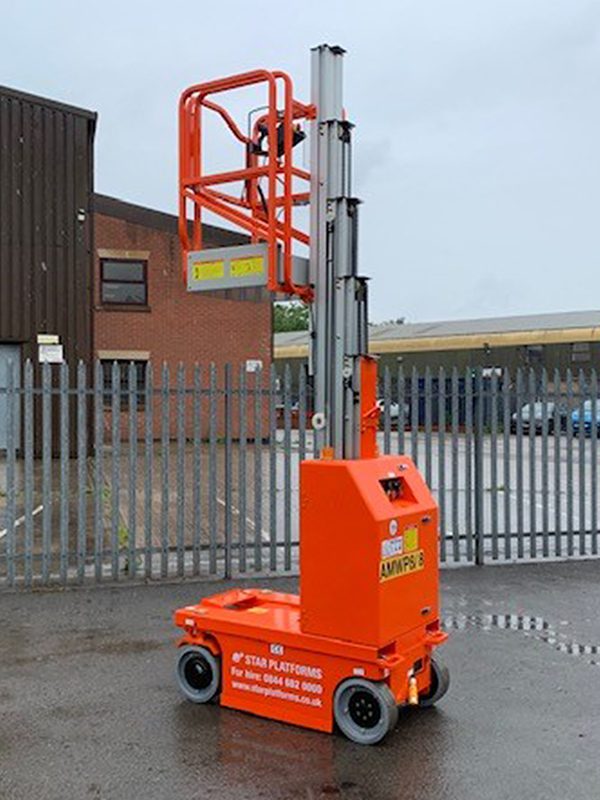
Vertical mast lifts and one-person personnel lifts are the quiet workhorses of warehouses, retail fit-outs, facilities maintenance and stock-picking — compact machines that lift an operator straight up in a footprint not much bigger than a pallet. Because they are small, they are often overlooked in compliance planning, but they are elevating work platforms like any other and carry the same inspection obligations. This page is where you arrange independent inspection and certification for vertical mast and personnel lifts under AS 2550.10, with AS/NZS 1418.10 as the design framework.
Learn morePowerline EWP Inspections & Testing
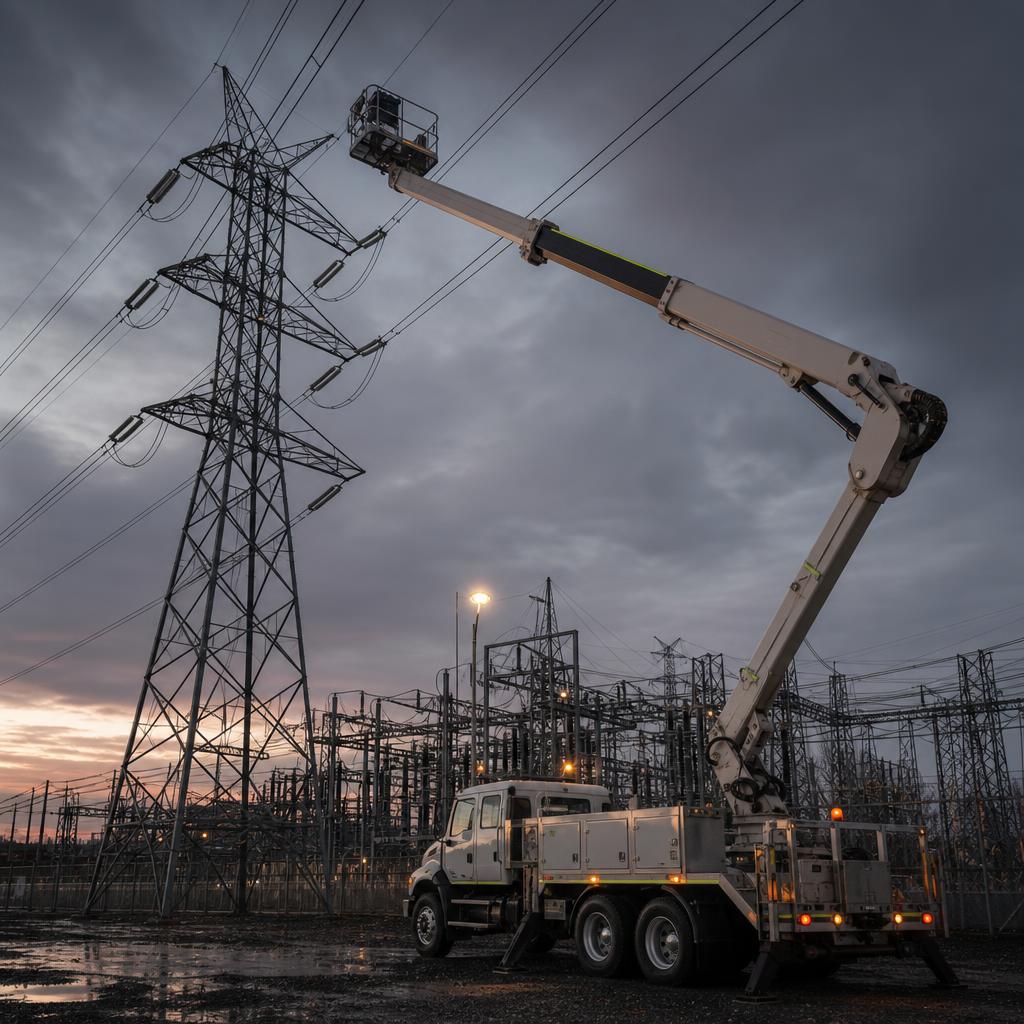
A powerline EWP — the insulated elevating work platform that electricity distribution, transmission and contracting crews use for live-line and near-line work — carries a responsibility no other access machine does: its insulation is part of the crew's protection system. This page is where you arrange independent inspection and testing for powerline-class EWPs, covering both the structural and mechanical condition of the machine under AS 2550.10 and the dielectric verification of its insulating components.
Learn moreTruck Crane & Hydraulic Crane Inspections
"Truck crane" and "hydraulic crane" cover the truck-mounted slewing cranes that sit between two classes people know by other names: bigger and more crane-like than a Hiab-style loader crane, but built on a truck carrier rather than a dedicated all-terrain chassis. If your machine is a hydraulic slewing crane mounted on a truck — with a telescoping boom, a winch and rope, planted outriggers and a rated-capacity system — this is the page for arranging its independent inspection and certification under the AS 2550 series and the AS 1418 design framework.
Learn moreUtility & Power Company Fleet EWP Inspections
The elevating work platforms in an electricity-distribution or utility fleet lead a harder life than almost any other EWP. They travel long distances between jobs, work off unmade ground and road shoulders, spend their days near or on live conductors, and are expected to be ready the moment a fault call comes in. That combination of high utilisation, rough duty and electrical exposure is exactly why a utility fleet's inspection regime has to be tighter than a general access fleet's — and this page is where you arrange independent inspection and certification for that fleet under AS 2550.10, with AS/NZS 1418.10 as the design framework.
Learn morePole Borer & Auger Truck Inspections
A pole borer — the auger truck that drills the hole, lifts the pole and sets it upright — is one of the busiest and most heavily loaded machines a power utility runs. In a single set-up it augers into the ground, then swings a full-length pole from horizontal to vertical and holds it while crews backfill, which puts the boom, winch, auger drive and pole-handling grabs through load cases that no ordinary EWP ever sees. This page is where you arrange independent inspection and certification for pole borer and auger trucks, carried out under AS 2550.10 for safe use with AS/NZS 1418.10 as the design framework for the elevating and lifting structure.
Learn moreCable Drum & Handling Truck Inspections
A cable-handling truck earns its keep moving something awkward and heavy: full drums of conductor or cable that can weigh several tonnes and refuse to sit still. Whether the machine lifts drums onto and off the tray, carries them on a jinker, or pays cable off under tension while stringing a line, it spends its life handling concentrated rolling loads that shift as the drum turns — and that is a very particular duty to inspect for. This page is where you arrange independent inspection and certification for cable drum and cable-handling trucks under AS 2550.10, with AS/NZS 1418.10 framing the design of the lifting and elevating structure.
Learn moreEWP Certification NSW
New South Wales runs more elevating work platforms than any other Australian state — boom lifts and scissor lifts across Sydney's construction and infrastructure pipeline, cherry picker trucks for the NBN rollout and powerline maintenance, utility platforms from the Hunter Valley to the far north coast, and mixed-fleet operations in the resource regions of western NSW. Each machine needs a documented certification trail: annual inspections, periodic testing appropriate to the unit, and the major structural assessment when age triggers it — all carried out under AS 2550.10 and recorded in a way that survives an audit.
Learn moreEWP Certification Victoria
Victoria's construction sector runs continuously across Melbourne's CBD, inner suburbs and a development pipeline extending through Geelong, Ballarat, Bendigo and the regional corridor. The EWP fleet serving those sites — boom lifts and scissor lifts on building and civil works, truck-mounted cherry pickers for utilities and telecommunications, insulated platforms for electrical maintenance, and scissor lifts in Victoria's large manufacturing and warehousing sector — needs its certification kept current under AS 2550.10, with documented annual inspections and periodic testing alongside the major structural assessment when each machine's age demands it.
Learn moreEWP Certification Queensland
Queensland's geography stretches the EWP certification challenge further than most states. Boom lifts and scissor lifts service Brisbane and the Gold Coast's construction corridor; cherry picker trucks work the NBN and powerline network up the coast to Cairns; insulated platforms operate at the substations and switchyards serving the state's energy grid; and in the mining and resource regions from the Darling Downs to the Bowen Basin, equipment operates in conditions that accelerate wear and demand rigorous periodic assessment. Every machine — wherever it sits within Queensland — needs its certification managed to AS 2550.10 with the same discipline.
Learn moreEWP Certification Western Australia
Western Australia's EWP fleet is spread across one of the world's largest resource economies, where the distances between sites can be as challenging as the work itself. Perth metropolitan construction and utilities operations demand the same documentation rigour as equipment in the Pilbara iron ore region, the Goldfields-Esperance corridor, and the agricultural south-west. Boom lifts on civil and commercial projects, scissor lifts in Perth's warehousing and manufacturing sector, cherry picker trucks on the Western Power and NBN networks, and insulated platforms at substations across the state — all need current certification under AS 2550.10 regardless of how far from Perth they operate.
Learn moreEWP Certification South Australia
South Australia's EWP fleet reflects the state's industrial mix — boom lifts and scissor lifts serving Adelaide's northern suburbs defence and technology corridor, truck-mounted cherry pickers on the SA Power Networks distribution network, insulated EWPs at substations and switchyards, and equipment working across the mining and agricultural regions from the Yorke Peninsula to the Flinders Ranges and the outback. Certification under AS 2550.10 applies across all of it, and the documentation requirements from SA Government, defence and major contractor procurement teams are typically as demanding as anywhere in the country.
Learn moreEWP Certification Tasmania
Tasmania's EWP fleet operates across a compact geography but a genuinely diverse industry base — construction and civil work in Hobart and Launceston, forestry and timber operations in the north-west, infrastructure maintenance on the island's road and utility network, scissor lifts in Tasmanian food and beverage manufacturing, and agricultural equipment in the Midlands and north-east. Whether the machine is a boom lift on a Hobart building site, a cherry picker truck working the TasNetworks powerline network in Burnie, or a scissor lift in a Launceston warehouse, certification under AS 2550.10 applies the same way regardless of where on the island it operates.
Learn moreEWP Certification ACT & Canberra
The Australian Capital Territory runs a higher concentration of government and defence plant than anywhere else in the country — boom lifts and scissor lifts on Commonwealth building and maintenance contracts, cherry pickers servicing the ACT government's road-lighting and infrastructure network, and equipment used by contractors across the parliamentary precinct, defence establishments, universities and the territory's growing commercial construction sector. Every machine needs documented certification under AS 2550.10, and procurement teams across Commonwealth agencies and ACT Government, as well as the major contractors they engage, typically require audit-ready records as a condition of contract.
Learn moreEWP Certification Northern Territory
The Northern Territory presents Australia's most demanding EWP certification environment: extreme heat, wet-season humidity, tropical UV exposure and remote operating distances accelerate wear on machines while making logistics genuinely difficult. Boom lifts on Darwin's construction and resources projects, cherry picker trucks on the Outback power and NBN network, scissor lifts in defence and government facilities, and equipment operating across the resource corridors from Darwin to Alice Springs all need rigorous certification under AS 2550.10 — applied with an understanding of the conditions these machines face rather than a southern-climate-designed checklist.
Learn moreCrane Certification NSW
New South Wales runs one of Australia's largest and most varied crane fleets — all-terrain mobile cranes on major Sydney infrastructure projects, Franna pick-and-carry cranes across construction sites from the coast to the regions, vehicle loading cranes on delivery and service vehicles across the state, and truck-mounted EWP platforms operating on the NSW energy and telecommunications network. Every one of those machines needs documented certification: annual and periodic inspections to the relevant AS 2550 series standard, load and function testing appropriate to the crane class, and the major structural assessment at the interval the standard and equipment class require.
Learn moreCrane Certification Victoria
Victoria's crane fleet is concentrated around Melbourne's major construction pipeline and industrial belt, with mobile cranes on CBD and inner-suburb high-rise projects, Franna pick-and-carry cranes across the outer residential and commercial development corridor, vehicle loading cranes serving Melbourne's freight and logistics industry, and smaller city cranes on constrained urban sites from Geelong to Bendigo. Each machine needs documented certification under the AS 2550 series — annual and periodic inspections, load and function testing, and the major structural assessment at the interval the standard and equipment class require.
Learn moreCrane Certification Queensland
Queensland's crane fleet spans a wider geographic and industry range than most other states. All-terrain and rough-terrain mobile cranes work the Bowen Basin and Galilee Basin resource projects; city and pick-and-carry cranes service Brisbane, Gold Coast and Sunshine Coast construction; vehicle loading cranes operate on freight routes from the coast into the far outback; and specialised cranes at port facilities in Brisbane, Gladstone and Townsville handle heavy industrial lifting. Every machine needs documented certification under the AS 2550 series — annual inspections, periodic load and function testing, and the major structural assessment at the interval the standard and equipment class require — regardless of whether it sits on a Brisbane building site or a remote central Queensland mine.
Learn moreCrane Certification Western Australia
Western Australia's crane fleet is shaped by the resource economy that drives the state — all-terrain and heavy-lift mobile cranes across the Pilbara iron ore and Goldfields mining operations, pick-and-carry Franna cranes on Perth's growing construction pipeline, vehicle loading cranes serving the state's freight and infrastructure sectors, and port and marine cranes at facilities in Fremantle, Port Hedland, Dampier and Geraldton. Distance and operating environment set WA apart from every other state: cranes work in extreme heat, dry-season dust and, on the north-west shelf, corrosive coastal conditions that accelerate wear in ways a southern-climate inspection approach can underestimate.
Learn moreCrane Certification South Australia
South Australia's crane fleet reflects the state's diverse industrial and resources base — mobile cranes servicing Adelaide's commercial construction and defence sector projects in the northern suburbs, Franna pick-and-carry cranes across the residential building corridor, vehicle loading cranes on freight routes to the Eyre Peninsula, Yorke Peninsula and Outback, and specialised lifting equipment at Olympic Dam and the state's other resource operations. Each machine requires documented certification to the AS 2550 series regardless of whether it operates on an Adelaide building site, at an Osborne shipbuilding facility, or at a remote SA mine.
Learn moreFleet EWP Certification
Managing EWP certification across a fleet of machines is fundamentally different from booking a single unit. When you have five, twenty or two hundred platforms spread across multiple sites or states, the challenge is not just keeping each machine inspected — it is making sure nothing lapses, that documentation is consistent across the whole fleet, and that the scheduling does not put machines offline at the same time. Most fleet managers end up with a patchwork of different inspectors, different report formats and a spreadsheet they are not fully confident in. A fleet certification programme run through one coordinator eliminates that entirely.
Learn moreFleet 5-Year EWP Certification
Many EWP fleets were built in batches — a hire company that bought ten boom lifts in the same year, a council that refreshed its access fleet in a single procurement round, a contractor whose machines all came on site for the same project. When machines share a purchase year or a commissioning date, their major inspection milestones arrive together. That creates either a resourcing headache — ten machines all due in the same six-month window, scrambling to find assessment capacity — or a real opportunity: bringing the whole cohort through a coordinated programme at the same time, managed efficiently and priced accordingly.
Learn moreHow EWP Inspections Fit Together
Every inspection tier builds on the one below it. Under the AS 2550.10 framework, an EWP moves through this regime across its working life.
| Inspection | Typical Timing | Who Performs It | What It Involves |
|---|---|---|---|
| Pre-start / daily check | Every shift, before use | The operator | Visual and functional checks — controls, decals, leaks, tyres, emergency descent — recorded in the logbook. |
| Routine / periodic inspection | Per the maintenance schedule, commonly annual | Competent person | Detailed inspection and functional testing of structural, mechanical, hydraulic and electrical systems, with records updated. |
| Major inspection | Commonly triggered at 10 years, per AS 2550.10 and the manufacturer | Competent person with engineering support | Strip-down of critical components, NDT crack testing, refurbishment as required, load testing and recertification for a further service period. |
| Additional testing | As required — after repair, incident, or for insulated units | Specialist providers | NDT, load and stability testing, and dielectric testing for insulated EWPs used near live conductors. |
Timing is governed by AS 2550.10, the manufacturer's requirements and the machine's duty cycle — always work from the current logbook and inspection history.
What Type of Equipment Do You Need?
Detailed guides to every EWP category — variants, specs, compliance requirements and selection advice.
Boom Lifts Australia
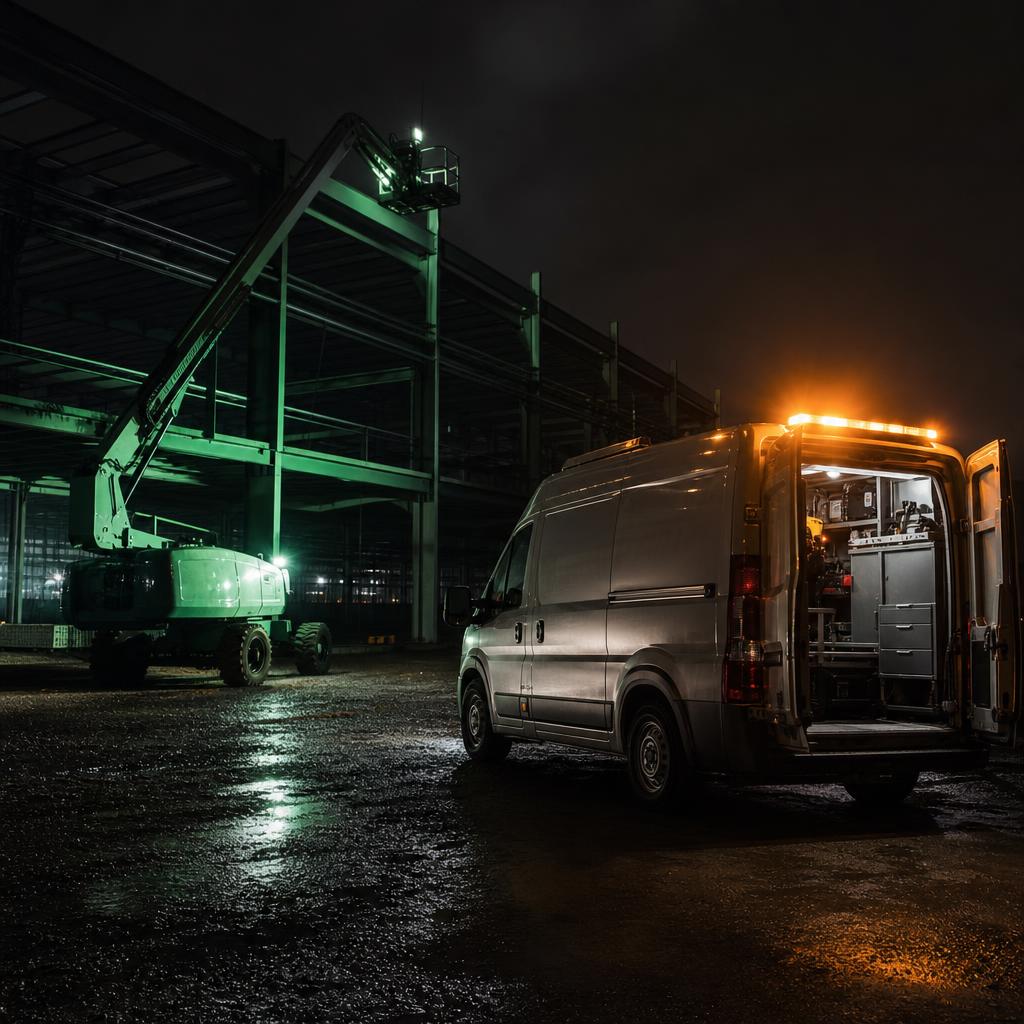
A boom lift — also called an aerial lift, aerial work platform (AWP) or mobile elevating work platform (MEWP) — raises an operator on an extendable arm to reach heights conventional ladders and scaffolding cannot.
Read the guideScissor Lifts Australia
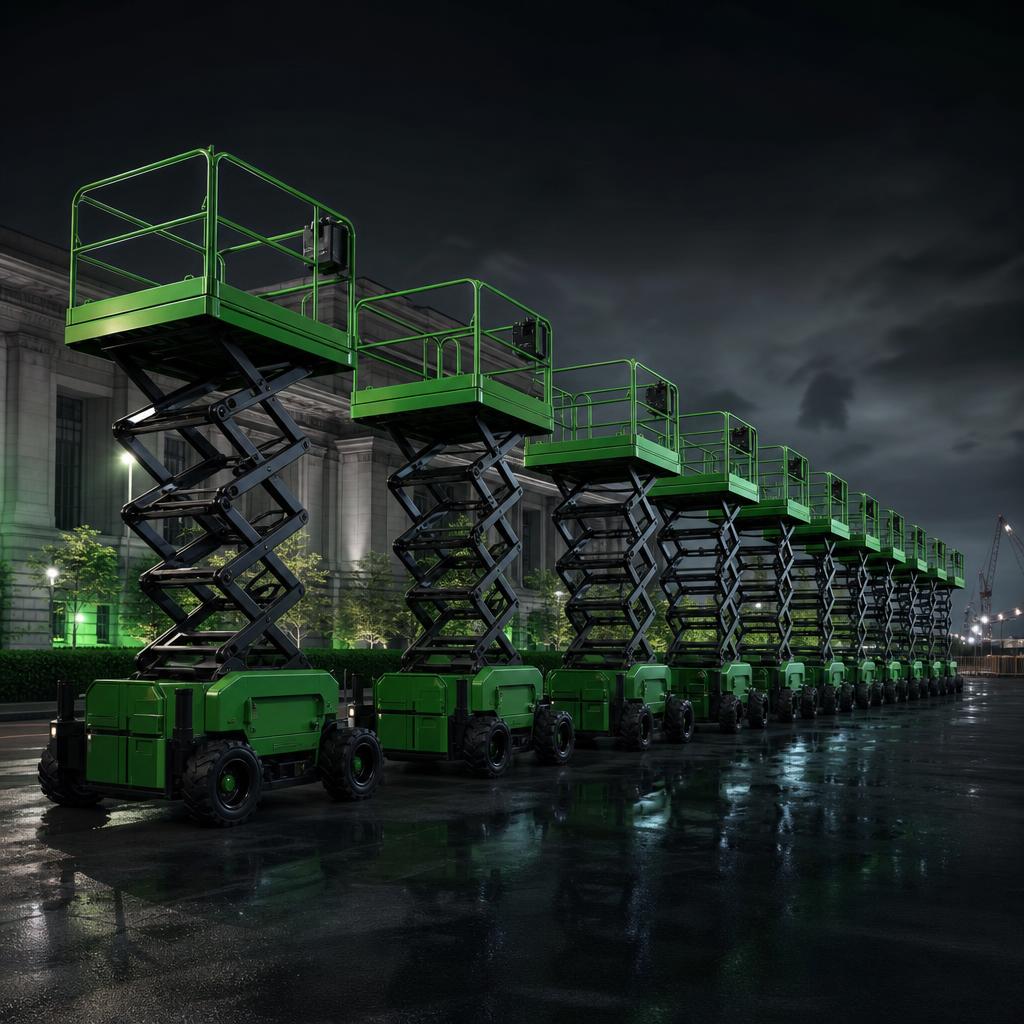
A scissor lift is a type of aerial work platform that raises a large work deck straight up using a pantograph (scissor) mechanism.
Read the guideCherry Pickers & EWP Trucks
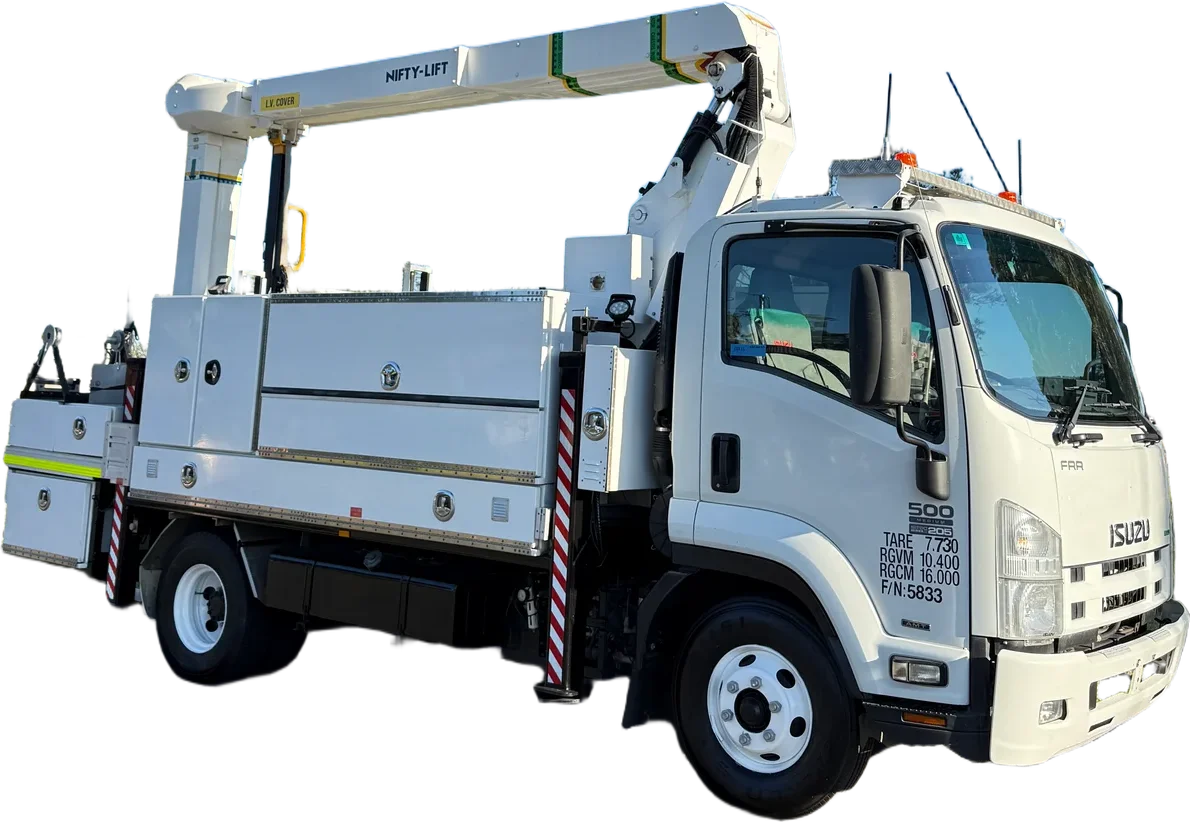
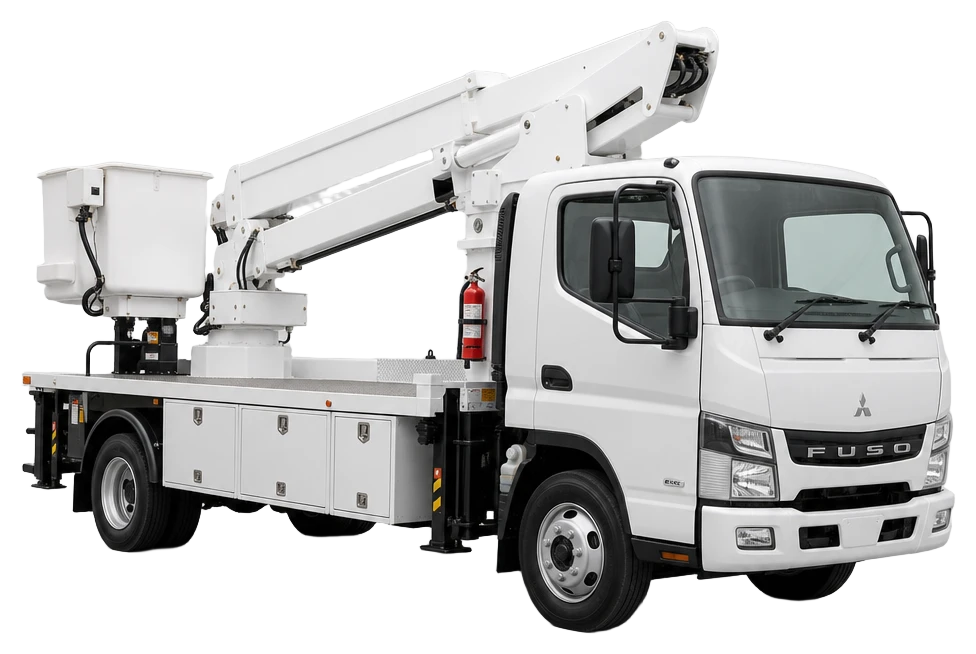
A cherry picker is any truck-mounted or vehicle-mounted EWP (elevated work platform) where a hydraulic boom arm is fitted to a truck or van chassis to deploy the operator platform at height.
Read the guideInsulated EWPs Australia
An insulated EWP — also called an insulated cherry picker, insulated bucket truck, insulated boom lift or powerline EWP — is an elevated work platform whose boom structure incorporates non-conductive fibreglass or composite materials rated to a specific voltage.
Read the guideSpider Lifts & Tracked EWPs
A spider lift is a compact, tracked access platform that uses articulated outrigger legs to stabilise on slopes, soft ground, narrow corridors and surfaces where conventional wheeled machines cannot operate.
Read the guideTrailer-Mounted EWPs
A trailer-mounted EWP — also called a towable boom lift, towable EWP, tow-behind cherry picker, towable cherry picker or trailer lift — is a self-contained elevated work platform mounted on a road-registered trailer.
Read the guideVertical Mast Lifts
A vertical mast lift — also known as a mast lift, personnel lift, personnel platform, man lift or vertical lift — is a compact aerial work platform that raises one operator straight up on a small platform via a telescopic mast.
Read the guideNational Infrastructure Support
Reliable fleet access and major inspection services for government, defence, and top-tier contractors.