Knowledge
Centre
Expert insights, compliance breakdowns, and strategic guides to help fleet managers and safety officers navigate the access equipment landscape.
EWP Training & Licensing Guides
Clear guides on WP High Risk Work Licences (TLILIC0005), EWP tickets (RIIHAN301E), the EWPA Yellow Card, working-at-heights training, and how to find a course near you.
EWP Licence Over 11m: WP High Risk Work Licence (TLILIC0005) Explained
If you operate a boom-type EWP with a boom length of 11 metres or more, you need a government-issued WP High Risk Work Licence — not just training or a Yellow Card. Here is what TLILIC0005 involves, who issues it, and how to get it.
EWP Ticket Under 11m: RIIHAN301E Training & EWPA Yellow Card Explained
Scissor lifts, vertical lifts and boom-type EWPs under 11 metres don't require a government licence — but operators still need recognised training. Here is what RIIHAN301E and the EWPA Yellow Card program involve and why every operator needs one.
EWPA Yellow Card: What It Is, Who Needs It and How to Get It
The EWPA Yellow Card is the most widely recognised EWP operator training credential in Australia for scissor lifts, vertical lifts and boom-type EWPs under 11 metres. Here is what it covers, who recognises it and how the training works.
Working at Heights with an EWP: RIIWHS204E & Combined Training Requirements
Operating an EWP involves working at height — but EWP operator training and working-at-heights training are not the same thing. Here is how RIIWHS204E applies to EWP operators, when combined training is required and what sites typically expect.
EWP Training & Licensing Providers Australia: Find a Course Near You
A state-by-state directory of EWP training providers across Australia offering boom lift licences (TLILIC0005), scissor lift tickets (RIIHAN301E), EWPA Yellow Card courses, working-at-heights training and combined EWP programs.
Repair & Hydraulic Guides
Plain-language guides on EWP mechanical repairs and hydraulic systems — what goes wrong, how to spot it, and what happens when a machine is booked in.
What Does an EWP Mechanical Repair Involve?
From fault diagnosis to sign-off — what actually happens when an EWP is booked in for a mechanical repair, and what owners can expect at each stage.
How to Tell If Your EWP Needs a Hydraulic Repair
Slow movements, oil around cylinders, warning light or a machine that stops mid-operation — the signs that point to a hydraulic fault and what to do next.
EWP Hydraulic System Explained for Owners and Operators
What the hydraulic system does, what it contains, and why each part matters — a plain-language overview for EWP owners who want to understand what goes wrong and why.
Compliance & Regulatory Guides
Plain-language breakdowns of AS 2550.10, state-by-state WHS obligations, licensing requirements, and what compliance actually looks like in practice.
Understanding AS 2550.10 Compliance
A practical overview of the Australian Standard governing the safe use, maintenance, and inspection of elevating work platforms.
The EWP Pre-Start Inspection Checklist Explained
What operators should check before every use, why each item matters, and how the daily pre-start ties into the wider inspection regime.
EWP Load Testing Explained
What load and stability testing verifies on an EWP — safe working load, overload protection, tilt and interlocks — and where it sits in the inspection lifecycle.
Insulated EWP Testing Requirements
Why dielectric-rated EWPs carry an additional electrical test regime on top of their mechanical inspections, and what that means for utility fleets.
EWP Operator Licensing in Australia
The difference between the Yellow Card and the WP high risk work licence, and what fleet managers need to verify before an operator gets in the basket.
Annual vs Major EWP Inspections: What's the Difference?
Two very different checks sit under the same word 'inspection'. This guide separates the annual periodic inspection from the major inspection and explains when each applies.
Who Can Perform an EWP Inspection in Australia?
AS 2550.10 hangs its inspection regime on the 'competent person' — but what does that actually mean, where do engineers fit, and why does independence matter?
Understanding AS 1418: The Design & Manufacture Side of Compliance
AS 2550 governs safe use; AS 1418 governs how the machine was built in the first place. This guide explains the design-and-manufacture standard and how the two fit together.
MEWP vs EWP: Terminology Explained for Australian Operators
MEWP, EWP, elevated work platform, aerial work platform — the same machines go by several names. This guide clears up the terminology and where each term comes from.
When Does a Crane Need an Inspection? Certification Requirements in Australia
Cranes sit under the same AS 2550 family as EWPs and carry their own inspection and certification obligations. This guide explains when a crane needs inspecting and what the regime requires.
Insulated vs Non-Insulated EWP: Who Needs Which
Insulated EWPs exist for work near live electrical apparatus. This guide explains who genuinely needs insulation, how the two types differ, and what insulation means for testing.
Council EWP Compliance: What Local Government Requires
Councils run mixed access fleets and expect contractors to meet the same standard they hold themselves to. This guide sets out what council compliance typically demands.
Mining Site EWP Compliance: Standards on Top of Standards
Mining sites layer their own inductions and requirements on top of the national standards. This guide explains how EWP compliance works when site rules sit above AS 2550.10.
Utility Sector EWP Compliance: Insulated Equipment and Electrical Safety
Utility work puts platforms near live electrical apparatus, which brings insulated equipment and electrical safety rules into the compliance picture alongside the usual regime.
Agricultural EWP Compliance: WHS Duties Don't Stop at the Farm Gate
EWPs used on farms are sometimes assumed to sit outside the rules. This guide explains why work health and safety duties and the inspection regime still apply to agricultural use.
EWP & Crane Glossary: Plain-English Definitions
A plain-English glossary of the EWP, MEWP and crane terms used across hire, inspection, certification and repair — grouped alphabetically for quick reference.
EWP Inspection & Certification Rules by State
Where EWP inspection and certification duties are the same across Australia, where they genuinely differ by jurisdiction, and who carries the responsibility.
Do You Need a Licence to Operate a Scissor Lift in Australia?
Scissor lifts and vertical lifts don't need a high-risk work licence in Australia, but you still need training. Here's what a Yellow Card covers.
What Truck Licence Do You Need for a Truck-Mounted EWP?
How a truck-mounted EWP's road licence follows the vehicle's mass, why the car-licence limit is 4.5 tonnes, and why an operator ticket is separate.
EWP Logbook Requirements: What Must Be Recorded
What an EWP logbook must contain, how pre-starts and maintenance history are recorded, and why buyers and auditors ask to see the full book.
EWP Design Registration in Australia Explained
How plant design registration works for EWPs, when an individual item must also be registered, and how to verify registration before buying.
Out-of-Service and Danger Tags on EWPs
How out-of-service and danger tag-outs work on elevating work platforms, who may remove a tag, and how a defect drives the decision to tag a machine.
EWP Inspection Requirements in NSW
How elevating work platform inspection, operator licensing and paperwork obligations play out for buyers and fleet managers based in New South Wales.
EWP Inspection Requirements in Victoria
What Victorian buyers and fleet managers should understand about EWP inspection duties in a state that runs its own occupational health and safety framework.
EWP Inspection Requirements in Queensland
A Queensland-focused rundown of EWP inspection cycles, operator licensing and the records that keep an access machine legally working.
EWP Inspection Requirements in Western Australia
What Western Australian buyers and fleet managers need to know about EWP inspections, licensing and records in a state that adopted the WHS laws relatively recently.
EWP Inspection Requirements in South Australia
How elevating work platform inspection duties work for South Australian buyers and fleet managers, who the regulator is, and why the technical rules follow national standards rather than a state-specific rulebook.
EWP Inspection Requirements in Tasmania
A plain-language guide to elevating work platform inspection duties for Tasmanian owners, covering the state regulator, the national standards behind the rules, and the practical realities of servicing a fleet spread across the island.
EWP Inspection Requirements in the ACT
What Canberra buyers and fleet managers should understand about elevating work platform inspection duties in the Australian Capital Territory, from the territory regulator to the national standards that set the actual technical requirements.
EWP Inspection Requirements in the Northern Territory
A practical rundown of elevating work platform inspection duties for Northern Territory operators, spanning the territory regulator, the national standards behind the rules, and the distance challenges of maintaining remote fleets.
Scissor Lift Safety and Compliance in Australia: What Every Operator and Site Manager Needs to Know
Do you need a licence? What's the wind limit? Can you work on a slope? Scissor lift safety rules across Australian states — from licensing and SWMS to fall restraint and ground conditions.
Scissor Lift Inspection and Certification in Australia: What's Required and When
Annual inspections, major inspections, logbook requirements and who can certify your scissor lift in Australia — the compliance requirements that keep your machine legal and your workers protected.
Inspection Guides
Pre-start checks, routine and annual inspections, 5-year and 10-year major inspections, and what certification actually certifies — explained for fleet managers.
How Often Should You Service an EWP, MEWP or Crane?
What actually decides how frequently access plant and cranes need attention — and why the honest answer is never a single number that fits every machine.
Why Regular Servicing Matters for Access Equipment and Cranes
The case for keeping servicing consistent — how neglect compounds out of sight, and what disciplined upkeep returns in safety, resale, certification and avoided downtime.
Why a Crack Test Should Always Be Part of a Major Inspection
Fatigue cracks hide under paint where no visual check can reach them, which is why non-destructive testing is what gives a major inspection certificate its meaning.
How to Get Your EWP's Major Inspection Certification (5-Year or 10-Year Depending on Class)
A plain walk-through of the deep major inspection an access platform reaches — a strip-down, structural crack testing, functional checks and a signed report — and why the interval is 5-year or 10-year depending on the machine's class rather than one fixed number.
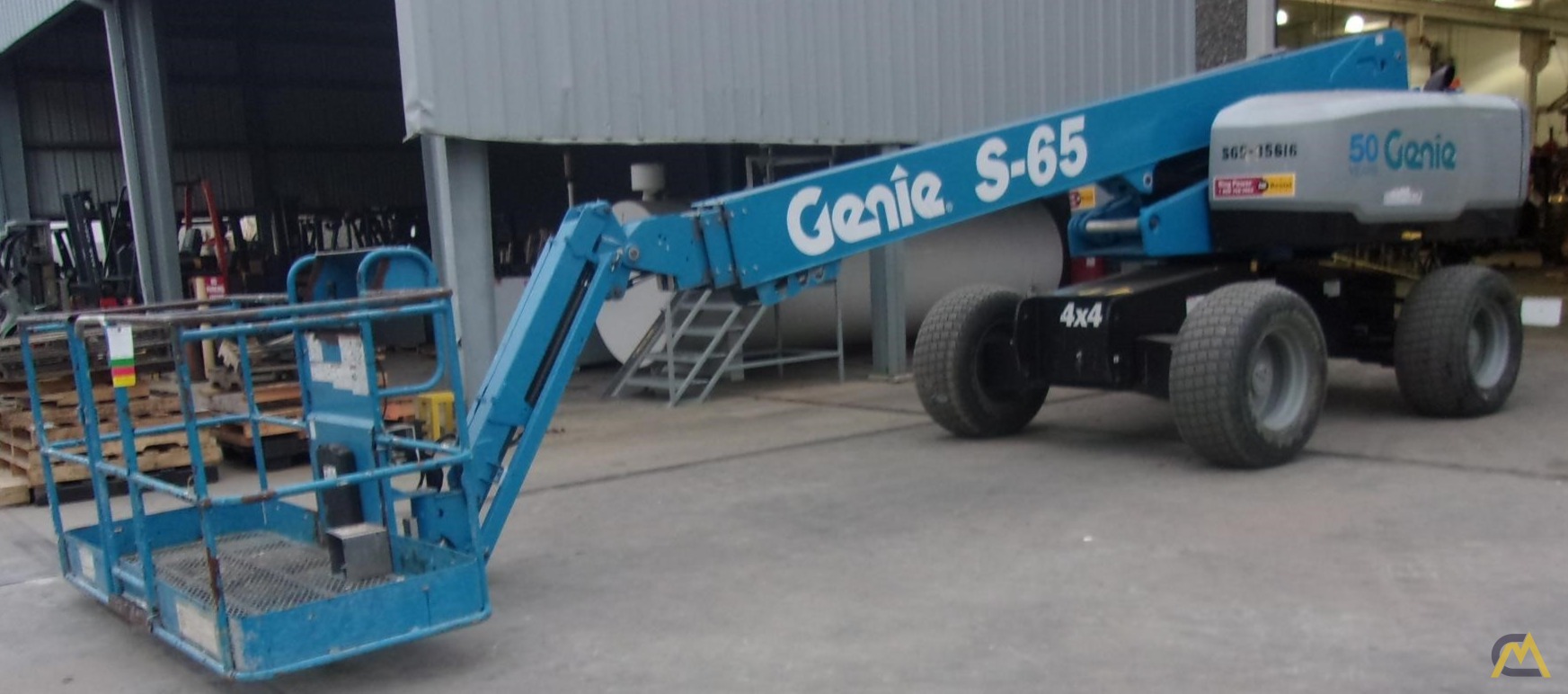
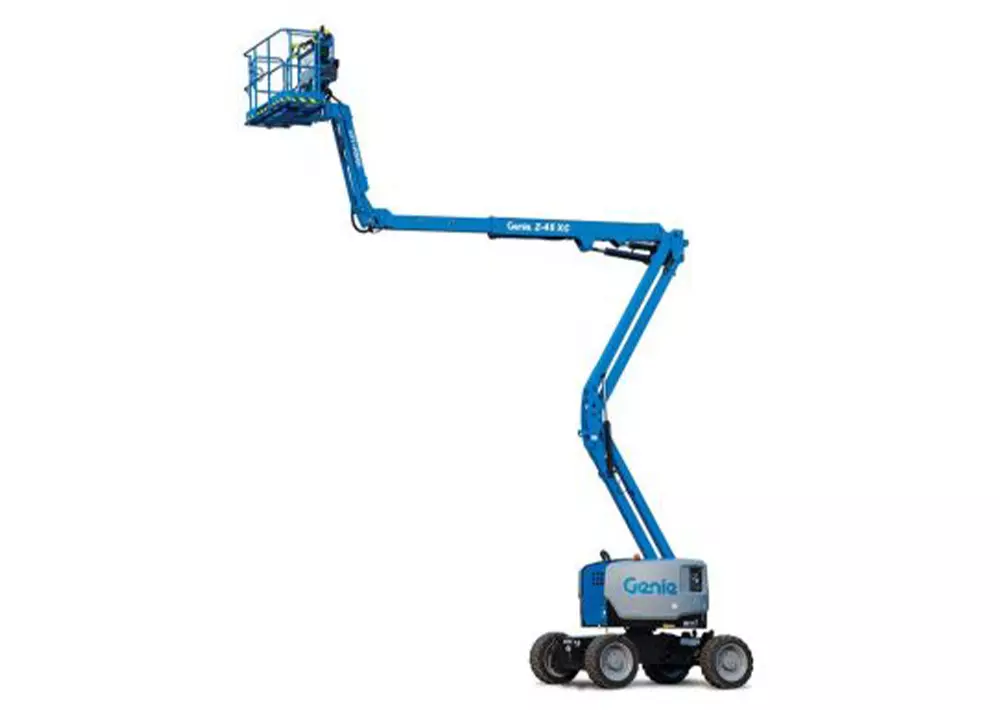
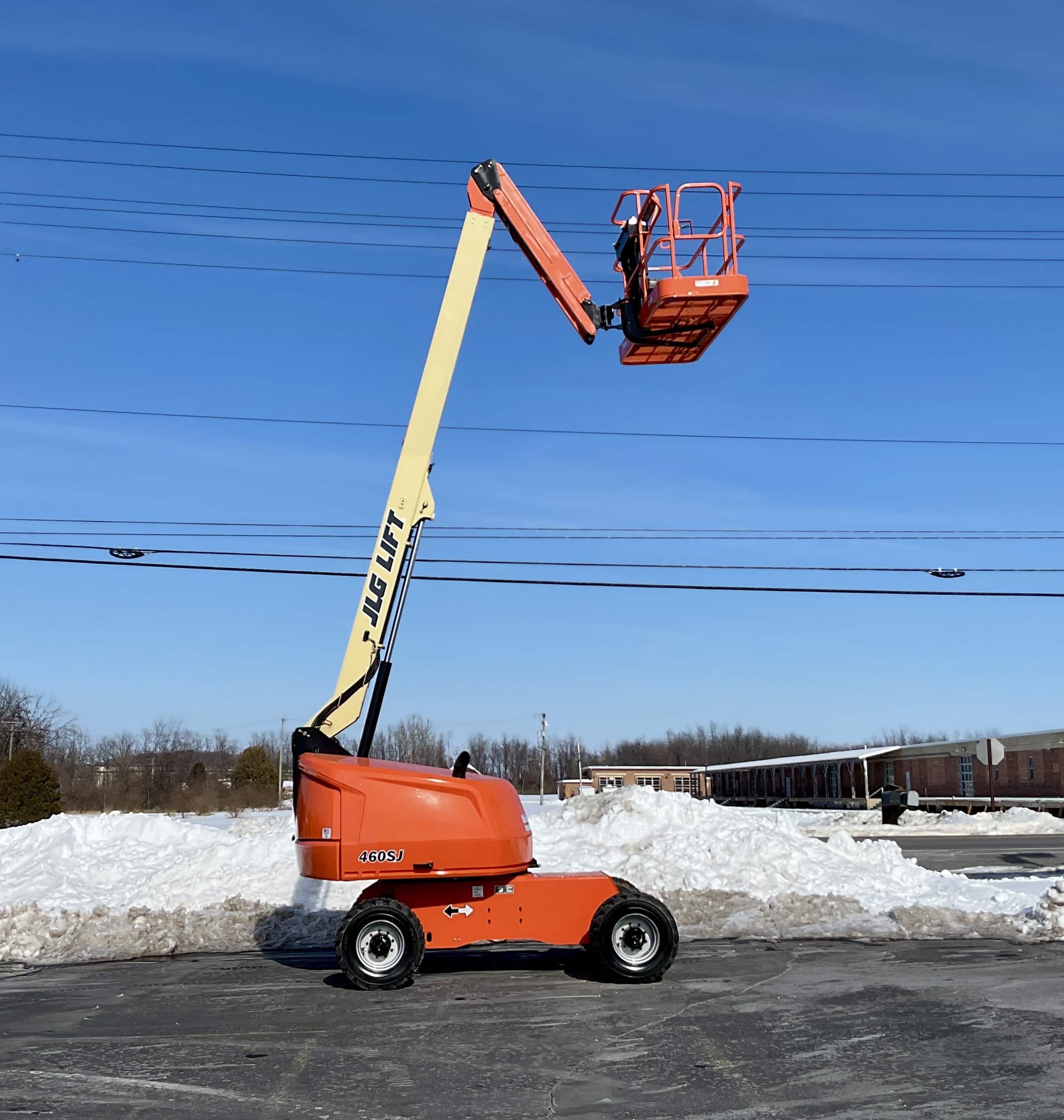
Servicing and Certifying EWPs Across the Major Brands
How major inspection and certification works across the common EWP makes — Genie, JLG, Haulotte, Snorkel, Skyjack, Nifty-lift, Dingli and truck-mounted names such as Palfinger and UNIC — and why an independent inspector holds every one of them to the same standards.
LV Testing for Insulated EWPs, Explained
Why an insulated access platform built for live-line or near-power work carries an extra electrical test, what that test confirms qualitatively about the boom and liner, and why an insulated unit without current testing has to be treated as uninsulated.
Types of EWP Inspections Explained: Annual, 5-Year, Major & More
Pre-start, routine, annual, 5-year major, 10-year major, rebuilds and pre-purchase checks — what each inspection involves and which one your machine needs.
What Happens in an Annual EWP Inspection?
A step-by-step look at what a qualified inspector actually checks during the annual periodic inspection, and what the resulting documentation proves.
When Does an EWP Need a Major Inspection?
Major inspections fall due based on a machine's age and equipment class, not when it was purchased. This guide explains how to work out when your EWP is due.
Major Inspection vs Rebuild: What Does Your EWP Need?
A major inspection tells you what condition your EWP is in. A rebuild renews it. Understanding the difference helps you make the right decision at the major milestone.
EWP Defect Library
Field-level guides on specific EWP defects — what causes them, how to spot them during inspections, and what remediation typically involves.
Cracked Welds on EWPs: Finding and Fixing Them
How weld cracks start on access machines, the warning signs an operator can spot, why crack testing is needed to confirm them, and how a repair is done properly.
Structural Fatigue in EWPs: The Slow Killer
Why cyclic loading wears out access-machine structure over time, where fatigue shows first, how inspectors track it, and what can and cannot be repaired.
Hydraulic Leaks on EWPs: Causes and Cures
The difference between a weep and a burst, why cylinder drift is a safety issue, how leaks are traced, and how the hydraulic system is put right.
Slew Bearing Wear on EWPs: What to Watch For
The slew ring connects the upper structure to the base and carries every load; here is how it wears, how tilt and rock are measured, and what a replacement involves.
Pivot Pin and Bush Wear on EWPs
Every boom joint turns on a pin and bush; here is how they wear, why play at height is dangerous, how inspectors measure it, and how pins are renewed.
Fibreglass Boom and Basket Damage on Insulated EWPs
On insulated machines the fibreglass is the safety barrier against electricity; here is how it gets damaged, why it matters, and why electrical testing is the real check.
Corrosion on EWPs: More Than Surface Rust
How rust attacks access machines, why coastal and washdown environments accelerate it, where hidden corrosion does the most harm, and how it is treated.
Electrical Faults on EWPs: Controls and Safety Circuits
From intermittent controls to failing safety interlocks, here is how EWP electrical faults present, what causes them, and why safety-circuit faults stop the machine.
Chassis Damage on EWPs: The Foundation Under Load
The chassis anchors the boom, slew and outriggers and keeps the machine stable; here is how it gets damaged, why cracks and distortion matter, and how it is repaired.
Basket and Platform Damage on EWPs
The platform is where the operator stands and the last line of fall protection; here is how baskets get damaged, why guardrails and anchor points matter, and how they are repaired.
Boom Damage on EWPs: Dents, Bends and Cracks
The boom carries the platform out and up; here is how it gets damaged, why a dent is not just cosmetic, how telescopic sections are affected, and how booms are repaired.
Outrigger and Stabiliser Failures on EWPs
Outriggers give the machine its stable footprint; here is how they fail, why interlocks and level sensing matter, how set-up ground affects them, and how they are repaired.
Fleet & Procurement Guides
Strategic guides for fleet managers and buyers: hire vs buy decisions, pre-purchase checklists, cost modelling, and total cost-of-ownership thinking.
Procurement Strategy: Hiring vs Buying
Strategic considerations for contractors and councils evaluating whether to expand an owned fleet or rely on hire equipment.
Pre-Purchase Inspection Checklist
Key structural, mechanical and documentary indicators to review before acquiring a used elevated work platform.
Buying a Used Cherry Picker Truck: A Buyer's Guide
How to assess a used truck-mounted EWP — inspection history, time to next major, structural condition, and the base vehicle as well as the EWP.
Planning Major Inspections Across a Fleet
How procurement and fleet managers schedule 10-year majors across a fleet to avoid simultaneous downtime, budget lead time and cover the gaps.
Cherry Picker vs Boom Lift: What's the Difference?
The two terms overlap constantly, but they point at different things. This guide explains what 'cherry picker' and 'boom lift' actually mean and how to choose between the machines behind them.
Truck-Mounted vs Self-Propelled EWP: Which Wins?
Truck-mounted platforms and self-propelled booms and scissors solve different problems. This guide sets out where each machine wins and how to match one to the way you actually work.
Repair vs Replace: An EWP Decision Framework
A structured way to decide whether to repair a machine or retire it, built around remaining structural life, parts availability and what the inspection actually found.
Electric vs Diesel Scissor Lift: Choosing the Right One
Electric and diesel scissor lifts suit different environments. This guide compares them on indoor versus outdoor use, floor loading, ground conditions and emissions considerations.
New vs Used Truck-Mounted EWP: How to Decide
The trade-offs between a new and a used truck-mounted EWP — lead times, the 10-year inspection clock, warranty and support, and how utilisation should drive the call.
Choosing a Scissor Lift for Warehouse Work
How to match a scissor lift to indoor warehouse work — working height, deck size, aisle widths, floor loading, power source and the compliance regime it joins.
Buying an Ex-Fleet EWP: What to Check
Ex-rental and ex-fleet EWPs can be well-maintained workhorses or hard-run liabilities — the records, wear points and lifecycle checks that tell you which one you're looking at.
The EWP Procurement Checklist
A financing-agnostic, end-to-end checklist for acquiring an EWP — from defining the task and total cost of ownership to compliance handover and day-one readiness.
Choosing the Right EWP Hire for Your Project
How to specify an EWP hire so the right machine arrives — matching machine class to the task, checking compliance status on delivery, and knowing what stays your responsibility.
Importing a Used EWP Into Australia: What to Watch
The compliance gaps behind grey-import elevating work platforms — design registration, standards mismatch and the case for a pre-purchase inspection.
Cherry Picker Truck Price Guide: What Drives the Cost
The condition, history and specification factors that separate a cheap truck-mounted platform from a dear one, and why two similar-looking units can be valued worlds apart.
What Affects the Cost of an Annual EWP Inspection
Why two periodic inspection quotes for the same machine class can differ, and the practical factors a competent provider is really pricing.
What Drives the Cost of a Crane Inspection
The scale, complexity and documentation factors that decide how much a crane inspection involves, and why cranes sit in a different bracket to access equipment.
EWP Repair Costs: The Factors That Move the Number
What separates a quick fix from a major undertaking when an elevating work platform needs repair, and how to think about the variables before you ask for a quote.
What Determines EWP Hire Rates
The machine, duration and service factors behind an access-equipment hire rate, and why the headline rate is only part of the total you pay.
Scissor Lift Brands in Australia: Genie, JLG, Skyjack, Haulotte, Snorkel and More Compared
Genie, JLG, Skyjack, Haulotte, Snorkel, Dingli, MEC — the brands that dominate Australian scissor lift hire and sales fleets, what each is known for, and how to choose between them.
Boom Lift Brands in Australia: Genie, JLG, Haulotte, Skyjack, Snorkel and More Compared
The brands that dominate Australia's boom lift, cherry picker and aerial work platform market — Genie, JLG, Haulotte, Skyjack, Snorkel, Manitou — what each is known for and how to choose.
Cherry Picker Hire in Australia: What to Know Before You Book an EWP, Boom Lift or Scissor Lift
Cherry pickers, boom lifts, scissor lifts and elevated work platforms for hire across Australia — how to match the right machine to the job, what to check before delivery, and what drives hire cost.
Equipment & Type Guides
Detailed overviews of boom lifts, scissor lifts, spider lifts, cherry pickers, and truck-mounted EWPs — specs, use cases, and how to choose the right machine.
Spider Lift vs Boom Lift: Which One Suits the Job?
How tracked spider lifts and boom lifts differ on access, footprint and floor loading, and how to work out which one fits the site in front of you.
Trailer-Mounted EWP Guide: Towing, Setup and Suitability
What a trailer-mounted EWP is, what it takes to tow and set one up, the kinds of operators it suits, and the inspection duties that come with owning one.
Vertical Mast Lifts Explained: Uses and Alternatives
What a vertical mast lift does, how it differs from a scissor lift, and why its slim footprint makes it a favourite for indoor maintenance and stock work.
Working Height vs Platform Height: How to Spec an EWP
The two-metre convention behind working height, why the figures are not interchangeable, and how to spec the right machine without an ordering mistake.
EWP Horizontal Reach Explained: Planning Your Access Before You Arrive
Reach tells you how far out from the truck the platform can work — and getting it wrong means repositioning the whole machine mid-job. Here's what it means and how to use it.
EWP Safe Working Load (SWL) and Rated Platform Capacity Explained
SWL is the maximum load the basket can legally and safely carry — people, tools and materials combined. Exceeding it is a structural risk, a compliance breach, and an inspection failure.
Articulating vs Telescopic EWP Booms: Which Type Suits Your Job?
Articulating booms fold around obstacles and reach over obstructions. Telescopic booms extend further with cleaner reach. The job determines which one you need.
EWP and MEWP Types Explained: Classification, Groups and What Each Means
Scissor lifts, boom lifts, truck-mounted EWPs, spider lifts — each is a distinct type with its own classification, licence requirements and inspection rules. Here's how they're categorised.
EWP vs Crane: How to Choose the Right Access Equipment for the Job
EWPs carry people to height. Cranes lift materials and loads. When your job needs both — or you're not sure which — here's how to decide.
How to Read an EWP Data Plate: What Every Number and Label Means
The data plate is the machine's identity document. It tells you who built it, what it can carry, how high it can go, and what its certified limits are — if you know how to read it.
EWP Ground Bearing Pressure and Stability: What Site Supervisors Need to Know
An EWP tipping over is not a machine failure — it's almost always a site setup failure. Ground bearing pressure, outrigger pads, slopes and hidden voids are the real risks.
EWP Electrical Safety: Exclusion Zones, Approach Distances and Insulation Requirements
Working near live conductors with an EWP requires mandatory exclusion zones, the right equipment rating and a plan that accounts for boom swing, wind and reach. Here's what that looks like in practice.
Types of Scissor Lifts Explained: Slab, Rough Terrain, Narrow and Bi-Energy Models
Electric slab, rough terrain diesel, narrow-aisle, bi-energy, large platform — each scissor lift type suits a different job. Here's how to match the machine to the site.
Every Type of Access Equipment in Australia: EWP, MEWP, Cherry Picker, Boom Lift, Scissor Lift, Crane and More
EWP, MEWP, cherry picker, boom lift, scissor lift, elevated work platform, aerial work platform, spider lift, crane — every term and every type explained in one place.
Which EWP, Cherry Picker or Boom Lift Does Your Trade Need? A Guide for Australian Contractors
Electricians, arborists, painters, telecoms crews, roofers, sign installers, construction teams — the right EWP, cherry picker, boom lift, scissor lift or crane for each trade in Australia.
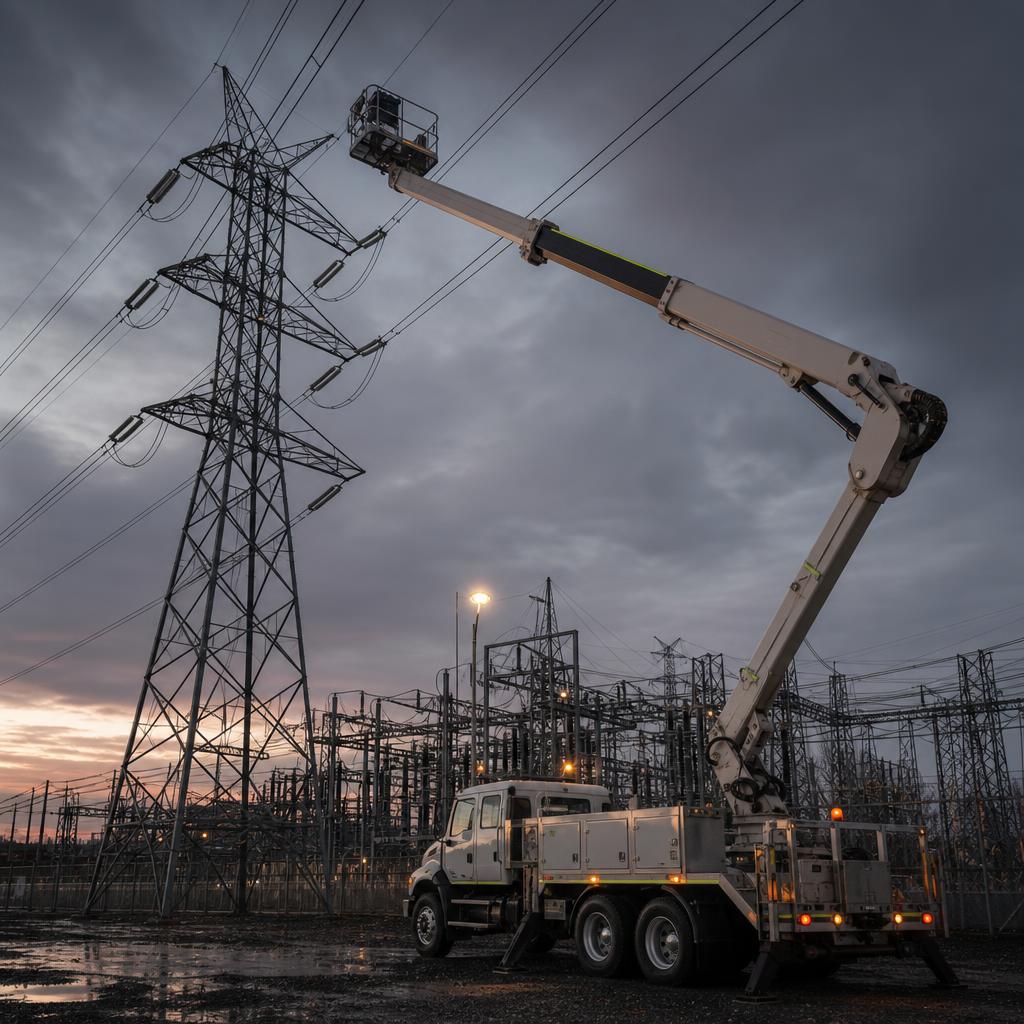
Insulated EWP in Australia: Insulated Boom Lifts, Insulated Cherry Pickers and High-Voltage Access Explained
Insulated EWP, insulated MEWP, insulated boom lift, insulated cherry picker, HV and LV rated access equipment — what insulation means in practice, how it is rated, and who needs it in Australia.
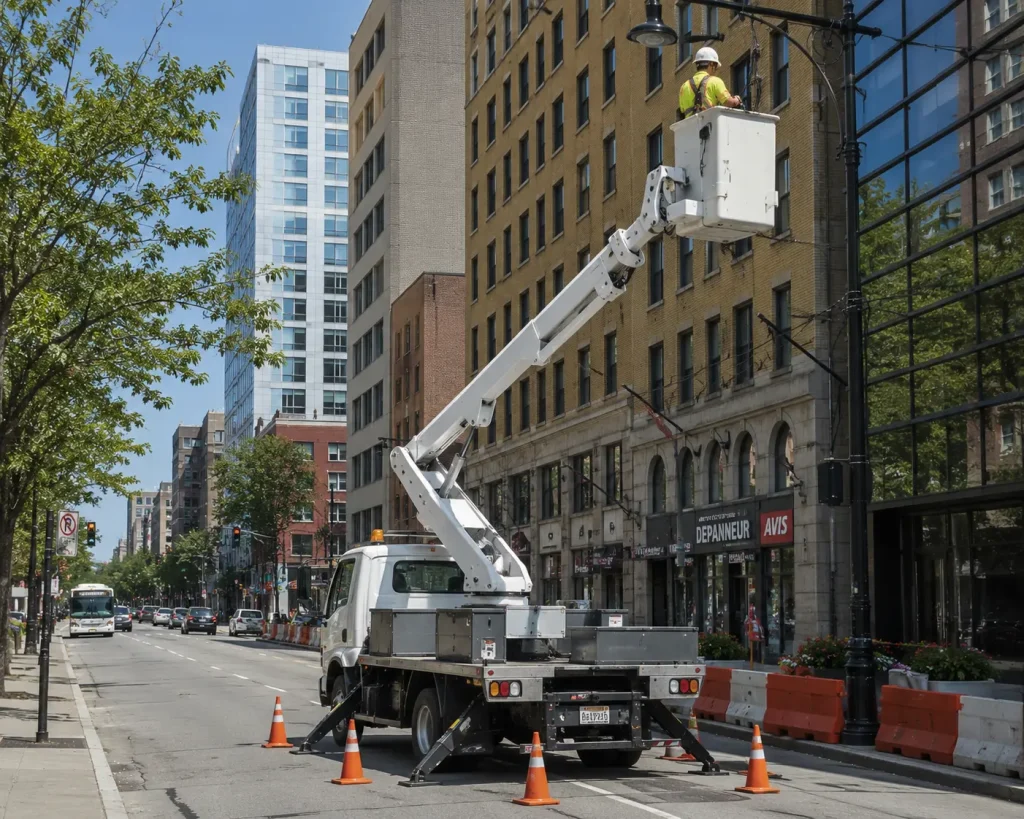
Truck-Mounted EWP Types in Australia: Bucket Trucks, Powerline Trucks, Telecoms EWPs and More
EWP truck, bucket truck, boom truck, powerline truck, telecoms EWP truck, arborist EWP truck, NBN truck, linesman truck — every truck-mounted EWP type used in Australia explained.
Trailer-Mounted EWP in Australia: Towable Boom Lifts, Trailer Cherry Pickers and Tow-Behind EWPs Explained
Trailer EWP, trailer-mounted EWP, towable boom lift, towable cherry picker, tow-behind lift — how trailer-mounted access equipment works in Australia, who uses it, and which brands are available.
Spider Lifts and Tracked EWPs in Australia: Crawler Boom Lifts, Atrium Lifts and Narrow Access EWPs Explained
Spider lift, spider boom, tracked EWP, crawler boom lift, crawler EWP, compact crawler lift, atrium lift, narrow access boom lift — the access equipment that reaches where wheels cannot.
Man Lifts, Personnel Lifts and Vertical Mast Lifts in Australia: One-Person EWPs, Stock Pickers and Order Pickers Explained
Man lift, manlift, personnel lift, personal lift, vertical mast lift, one-man lift, single-person lift, push-around lift, stock picker, order picker — the compact single-person EWP types used in Australian warehouses, logistics and maintenance.
Specialised EWP Types in Australia: Underbridge EWPs, Rail EWPs, Forestry EWPs and Material Handling Aerial Devices
Underbridge EWP, bridge inspection unit, rail-mounted EWP, road-rail EWP, rail EWP, forestry EWP, arborist EWP, material handling EWP — Australia's specialised elevated work platform types for niche access requirements.
Maintenance, Safety & Operator Guides
Preventative maintenance schedules, common operator mistakes, risk management guides, and safety-focused content for anyone responsible for access equipment in the field.
10-Year Major Inspection Explainer
What happens during a major inspection? We break down why it is required, what it involves, and how to plan for it.
Managing Fleet Maintenance Schedules
Best practices for implementing preventative maintenance programs across diverse access equipment fleets.
What Affects the Cost of a 10-Year Major Inspection
The factors that drive how much a major inspection costs — machine type, strip-down scope, testing extent and what the tear-down uncovers.
NDT Methods for EWPs Explained
Magnetic particle, dye penetrant and ultrasonic testing — what each method finds, where it is used on a machine, and why the eye alone is not enough.
Common Reasons EWPs Fail Inspection (and How to Avoid Them)
The recurring faults that stop a machine passing an inspection — from cracked structure and hydraulic leaks to missing paperwork — and the habits that prevent them.
Preparing Your EWP for a Major Inspection: An Owner's Checklist
A practical, step-by-step guide to getting a machine ready for its major inspection so the process runs smoothly, the quote is accurate and downtime is minimised.
Hydraulic vs Mechanical EWP Faults: Reading the Symptoms
Hydraulic and mechanical faults on an EWP often look alike from the platform. This guide explains how their symptoms differ so you can describe a problem accurately and get it fixed.
EWP Harness Requirements Australia: Boom vs Scissor
When a harness is required on a boom lift versus a scissor lift, where it clips on, and how to inspect the harness and lanyard before you go up.
Working Near Powerlines in an EWP: Exclusion Zones
How exclusion zones, spotters, permits and insulated machines keep an access crew safe near conductors — and why the distances are never a single number.
EWP Wind Limits & Weather: Reading the Rated Limit
Where to find your machine's rated wind limit, why indoor-rated units are a special case, and how to plan a work window around Australian weather.
EWP Ground Conditions & Outrigger Setup
Assessing the ground before you set up, sizing packing and pads, dealing with slopes, and finding the underground services that can swallow a machine.
Re-Inspection After EWP Repairs or Modifications
Why structural repairs and modifications to an EWP trigger re-inspection, the role of engineering sign-off, and the documentation it leaves behind.
How Often Does an EWP Need Servicing?
The servicing tiers that keep an access machine safe and compliant, from daily pre-starts to the deep major, and how real duty shifts the frequency.
Extending the Service Life of an EWP
The habits, storage practices and operator care that let an access machine work longer, and how to judge when a rebuild beats replacement.
Cherry Picker Truck Maintenance
A truck-mounted access unit carries two maintenance streams — the road vehicle and the EWP — and the neglect points that fall in the gap between them.
Recommissioning an EWP After Long-Term Storage
What degrades while an access machine sits idle, the checks that bring it safely back to service, and when a full inspection is required before it works.
Hydraulic Oil Care for EWPs
Why clean, dry, cool oil is the lifeblood of an access machine, and how contamination, sampling, hoses, seals and temperature decide the system's life.
The Dangers of Running an Uncertified EWP in NSW
Why a cracked, unmaintained or out-of-certification access platform is a life-safety gamble on any New South Wales site, and what it can cost a business when the machine fails.
The Dangers of Running an Uncertified EWP in Victoria
A sober look at why a neglected or uncertified elevating work platform is a genuine hazard on Victorian sites, framed for a state that runs its own occupational health and safety regime.
The Dangers of Running an Uncertified EWP in Queensland
The mechanical reality behind why a cracked or uncertified access platform is a serious hazard on Queensland sites, and the consequences that follow a failure for the business responsible.
The Dangers of Running an Uncertified EWP in Western Australia
Why a cracked, unmaintained or out-of-certification elevating work platform is a real threat to life on Western Australian sites, and what the failure means for the business behind it.
The Dangers of Running an Uncertified EWP in South Australia
Why a South Australian elevating work platform without current certification is a machine of unknown condition, how structural cracks begin and hide, and what a failure at height means for the operator and the business behind it.
The Dangers of Running an Uncertified EWP in Tasmania
For Tasmanian fleets working across an island where sites sit far from service support, why an uncertified or neglected elevating work platform is uniquely risky, and how fatigue and deferred upkeep set up an unannounced failure.
The Dangers of Running an Uncertified EWP in the ACT
For ACT contractors and building managers, a clear-eyed look at why an uncertified or poorly maintained elevating work platform is a machine you cannot vouch for, and what that means when a boom fails without warning.
The Dangers of Running an Uncertified EWP in the Northern Territory
For Territory operators running platforms across vast distances in punishing conditions, why an uncertified or under-maintained machine is a risk you cannot see, and how heat, dust and remoteness bring a hidden failure closer.
The Dangers of Operating a Cracked Cherry Picker Truck in NSW
Why a truck-mounted elevating work platform with a developing crack is a distinct and serious hazard on New South Wales roads and sites, and what a failure at the boom or its mounting means for the operator and the business.
The Dangers of Operating a Cracked Cherry Picker Truck in Victoria
A sober look at why a truck-mounted elevating work platform with a hidden crack is a genuine fall-from-height hazard on Victorian roads and sites, framed for a state that runs its own occupational health and safety regime.
The Dangers of Operating a Cracked Cherry Picker Truck in Queensland
The mechanical reality behind why a truck-mounted elevating work platform with a developing crack is a serious hazard on Queensland roads and sites, and the consequences a failure brings for the business responsible.
The Dangers of Operating a Cracked Cherry Picker Truck in WA
Why a truck-mounted elevating work platform carrying a hidden crack is a real threat to life on Western Australian roads and sites, and what a failure at the boom or its mounting means for the business behind it.
The Dangers of Operating a Cracked Cherry Picker Truck in South Australia
A truck-mounted work platform accrues crack-growth cycles on the road as well as in the air, so a South Australian cherry picker truck with a hidden fracture at its subframe or pedestal is a life-safety risk long before anyone raises the boom.
The Dangers of Operating a Cracked Cherry Picker Truck in Tasmania
Tasmanian travel towers cover long, rough distances between jobs and work in wet, salt-laden air, a combination that drives crack growth into the subframe and outrigger mounts of a truck-mounted platform where no operator can see it.
The Dangers of Operating a Cracked Cherry Picker Truck in the ACT
ACT travel towers often work above footpaths and traffic, so a structural fracture in a truck-mounted boom endangers more than the operator — and the road cycles that grow that crack are earned quietly on every drive to site.
The Dangers of Operating a Cracked Cherry Picker Truck in the Northern Territory
Territory travel towers cross enormous distances over rough roads in heat, dust and humidity, so a truck-mounted platform can accrue fatigue and corrosion far from any workshop — with the crack hidden in its subframe or outriggers until it fails.
7 Mistakes People Make When Buying a Used EWP (and How to Avoid Them)
Buying a used EWP is where most costly errors happen before the machine ever leaves the yard. These are the seven mistakes buyers repeat when purchasing a second-hand elevating work platform, and the practical way to sidestep each one.
Common Mistakes When Buying a Cherry Picker Truck
Buying a cherry picker truck means buying two machines at once — a road vehicle and an access platform bolted to it — and most mistakes come from judging one while ignoring the other. Here are the errors truck-mounted EWP buyers repeat, and how to avoid them.
DIY EWP Maintenance Mistakes That Cost Owners Dearly
Doing your own EWP maintenance can keep a machine humming — or quietly strip away the very things that make it safe and certifiable. These are the DIY maintenance mistakes that cost owners dearly, and why some jobs belong with a professional.
EWP Certification and Paperwork Mistakes That Catch Owners Out
EWP certification and paperwork mistakes are easy to make and expensive to unwind — from mistaking a service invoice for certification to buying a machine whose 'certified' status has nothing behind it. Here are the traps owners fall into and how to keep clean records.
What Not to Do When Your EWP Fails an Inspection
When your EWP fails an inspection, the instinct to defer, argue or patch the finding is exactly what turns a fixable machine into a serious liability. Here is what not to do, and the professional repair-and-recertify path that gets the platform back earning.
Mistakes People Make When Choosing an EWP Inspection Provider
Choosing an EWP inspection provider on price alone, without crack testing, engineering backing or independence, is how owners end up with a certificate that means little. Here are the mistakes to avoid and what genuine, independent inspection quality looks like.
National Infrastructure Support
Reliable fleet access and major inspection services for government, defence, and top-tier contractors.